
Yoga is not only a practice for spiritual and mental well-being but also a powerful tool for maintaining joint health. In today's sedentary lifestyle, where joint issues are increasingly prevalent, integrating yoga into your routine can offer a plethora of benefits. Let's explore how yoga can be a game-changer in enhancing joint health.
#Introduction to Yoga for Joint Health
Yoga, originating from India, is a holistic practice comprising physical postures, breathing techniques, and meditation. It aims to enhance not just physical fitness but also mental and emotional well-being. In terms of joint health, yoga is particularly notable for its low-impact nature and efficacy. By engaging in gentle movements and stretches, yoga helps improve joint mobility, flexibility, and strength without putting excessive strain on the body.
Moreover, the meditative aspect of yoga promotes relaxation and stress reduction, which can alleviate tension and discomfort in the joints. Overall, yoga offers a comprehensive approach to enhancing joint health, making it suitable for individuals of all ages and fitness levels.
#Understanding Joint Health
Joints play a vital role in facilitating mobility by connecting bones and enabling movement. Yet, several factors can impact joint health adversely. Aging naturally leads to wear and tear, diminishing the resilience of cartilage and ligaments. Sedentary lifestyles contribute to muscle weakness and stiffness, exacerbating joint problems. Injuries, whether from accidents or sports, can cause lasting damage to joints, affecting their function and stability.
Additionally, certain medical conditions like arthritis and osteoporosis pose significant challenges to joint health, resulting in inflammation, pain, and decreased range of motion. Overall, maintaining joint health requires a multifaceted approach that includes regular exercise, proper nutrition, and mindful lifestyle choices to mitigate the effects of these factors and preserve mobility and functionality for a better quality of life.
#Benefits of Yoga for Joint Health
#Increased Flexibility
Yoga entails stretching and elongating muscles, effectively enhancing flexibility and joint mobility. Consistent practice gradually loosens tight muscles surrounding the joints, alleviating stiffness and discomfort. Through a combination of gentle movements and sustained stretches, yoga promotes greater range of motion and suppleness in the joints, facilitating smoother and more effortless movements in daily activities.
#Strengthening Muscles around Joints
Numerous yoga poses engage diverse muscle groups, including those that support the joints. This engagement effectively strengthens the muscles surrounding the joints, enhancing stability and support. Consequently, the risk of injuries is mitigated as these strengthened muscles provide better structural reinforcement. By fostering joint stability and improving muscular support, yoga contributes to overall joint health and resilience, allowing individuals to engage in physical activities with reduced risk of strains or injuries.
#Reducing Inflammation
Specific yoga poses and breathing techniques possess anti-inflammatory properties, aiding in reducing inflammation within the body. These practices facilitate improved circulation and lymphatic drainage, assisting in the elimination of toxins and decreasing swelling around the joints. By enhancing these physiological processes, yoga contributes to a reduction in inflammatory responses, thereby alleviating discomfort and promoting overall joint health.
#Best Yoga Poses for Joint Health
#Cat-Cow Pose
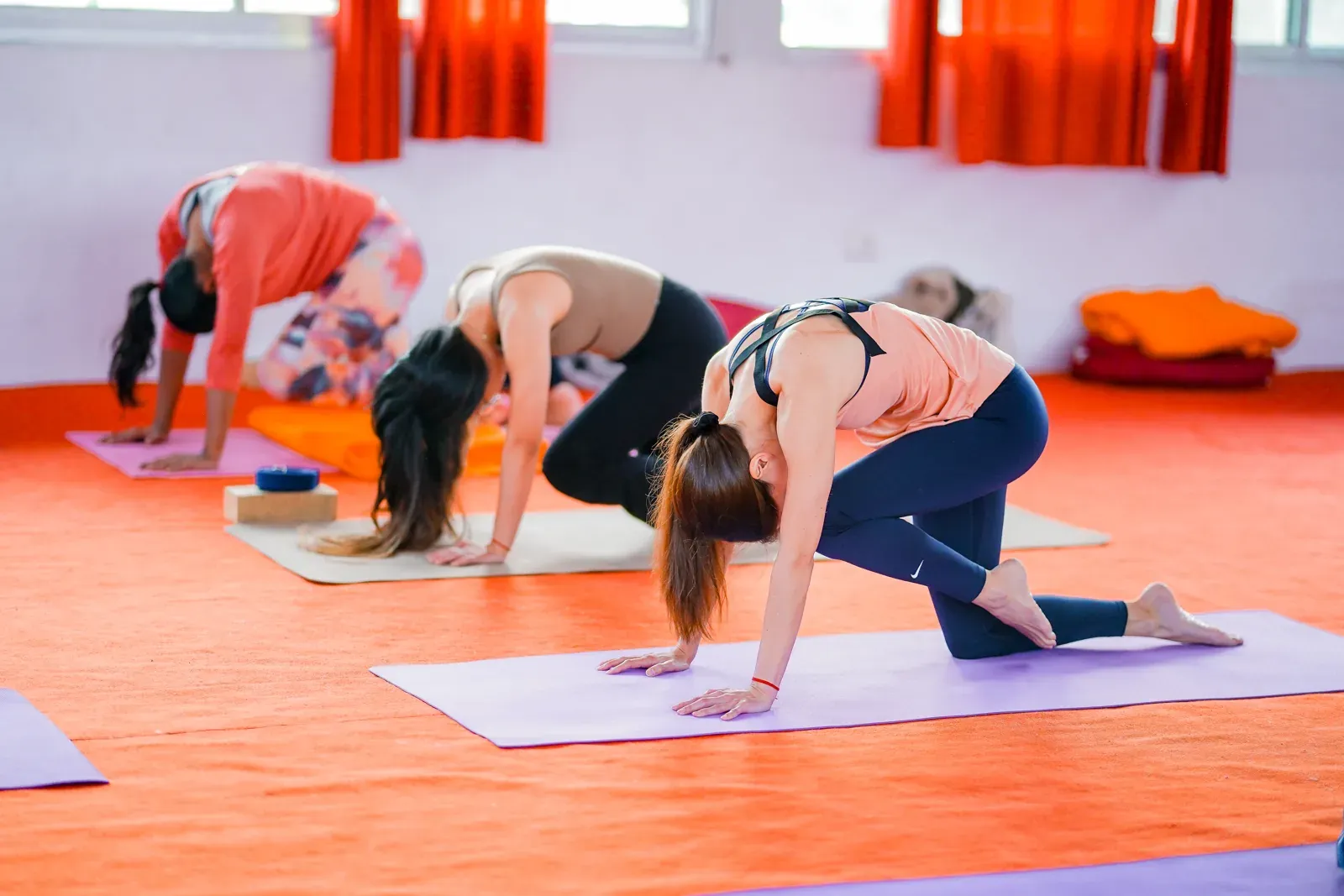
The dynamic yoga sequence described involves a rhythmic alternation between arching and rounding the back. This movement pattern gently mobilizes the spine while simultaneously stretching the hips, spine, and chest. By engaging in this sequence, practitioners experience a gradual release of tension in these areas, promoting greater flexibility and mobility. Additionally, the coordinated movement of the spine helps improve posture and alignment, fostering a sense of balance and ease in the body. Incorporating this sequence into a regular yoga practice can contribute to overall spinal health and enhance overall well-being.
#Downward-Facing Dog
The iconic pose referred to as Downward-Facing Dog elongates the spine and simultaneously stretches various muscle groups, including the shoulders, hamstrings, calves, and hands. This posture aids in relieving tension accumulated in the back and neck, fostering a sense of relaxation and ease throughout the body. By encouraging lengthening of the spine and extension through the limbs, Downward-Facing Dog promotes improved posture and alignment. Furthermore, the inversion aspect of this pose may enhance circulation and promote a sense of rejuvenation, making it a valuable addition to any yoga practice for both physical and mental well-being.
#Child's Pose
Child's Pose, a gentle resting posture, provides a deep stretch to the hips, thighs, and ankles while gently compressing the abdomen. This pose effectively relieves tension in the lower back by encouraging relaxation and releasing tightness accumulated in the lumbar region. The gentle compression on the abdomen may also aid in promoting digestion and soothing discomfort. Additionally, Child's Pose offers a sense of comfort and grounding, making it an ideal posture for moments of rest and relaxation during a yoga practice. Incorporating Child's Pose into a routine can contribute to overall flexibility, stress reduction, and physical comfort.
#Warrior II Pose
Warrior II Pose, a standing posture, serves to strengthen the legs, enhance hip flexibility, and refine balance. Simultaneously, it extends the chest and shoulders, fostering improved posture and releasing tension in the upper body. By actively engaging the legs and maintaining a steady stance, practitioners build strength and stability throughout the lower body. The expansive arm position in Warrior II opens the chest, encouraging deeper breathing and enhancing lung capacity. Through regular practice, individuals can experience increased physical strength, improved alignment, and a greater sense of poise and vitality in both body and mind.
#Tree Pose
Tree Pose, a balancing posture, fortifies the ankles and legs while refining concentration and focus. This pose challenges stability, prompting practitioners to engage core muscles for support. Additionally, Tree Pose stretches the thighs, groin, torso, and shoulders, fostering greater overall flexibility. By rooting down through one foot and extending upward through the spine, individuals cultivate a sense of balance and poise. The act of balancing requires mindful awareness, promoting mental clarity and presence. Incorporating Tree Pose into a yoga practice not only enhances physical strength and flexibility but also cultivates a deeper connection between mind, body, and breath.
#Bridge Pose
Bridge Pose, a backbend, targets the muscles of the back, glutes, and hamstrings, fostering strength and resilience in these areas. Simultaneously, it opens the chest and shoulders, releasing tension and promoting better posture. Moreover, Bridge Pose stimulates the thyroid gland, supporting optimal metabolism and energy levels. By actively engaging the legs and lifting the hips, practitioners activate the muscles of the lower body while promoting spinal extension. This pose offers a balance of strength and flexibility, revitalizing both the body and mind and contributing to overall well-being and vitality.
#Tips for Practicing Yoga Safely with Joint Issues
#Listen to Your Body
During yoga practice, it's crucial to listen to your body's signals. If a pose triggers pain or discomfort in your joints, it's essential to prioritize your well-being and modify or skip it entirely. Pushing through pain can exacerbate existing issues and lead to injuries. Instead, honor your body's limitations and adjust the pose to suit your comfort level. This approach not only prevents potential harm but also fosters a mindful and compassionate relationship with your body. Remember, yoga is about nurturing and supporting yourself, so always prioritize safety and self-care above all else.
#Modify Poses as Needed
Props like blocks, bolsters, or straps are invaluable tools in yoga practice, providing support and facilitating proper alignment. Utilize them to adjust poses to your comfort level and prevent strain on your joints. Avoid forcing yourself into positions that feel uncomfortable or painful, as this can lead to injury. Instead, use props to modify poses, allowing you to experience the benefits of each posture while respecting your body's limitations. By practicing with mindfulness and awareness, you can cultivate a safe and sustainable yoga practice that promotes both physical and emotional well-being.
#Use Props for Support
Props serve as stabilizers, enhancing stability and minimizing injury risk during yoga practice. By experimenting with various props, you can discover which ones best support your body and facilitate proper alignment. Whether it's using blocks for balance, bolsters for comfort, or straps for extension, props offer versatility in adapting poses to individual needs. Through exploration and adaptation, you can refine your practice, ensuring each posture is performed safely and effectively. Embrace the versatility of props as valuable aids in your yoga journey, empowering you to cultivate strength, stability, and mindfulness on the mat.
#Avoid Overexertion
While embracing challenges is vital in yoga, pushing beyond your limits risks injury. Mindfully acknowledge your boundaries, particularly if you have joint concerns, to prevent overexertion. Honor your body's signals and refrain from pushing too hard, prioritizing safety over intensity. Listen to discomfort as a cue to dial back or modify poses, respecting your body's needs. By cultivating self-awareness and exercising caution, you can safeguard against injury and cultivate a sustainable yoga practice that fosters growth and well-being. Remember, progress in yoga is about gradual improvement, not pushing past your body's capabilities.
#Incorporating Yoga into Your Daily Routine
#Setting Realistic Goals
Begin your yoga journey with realistic goals, gradually amplifying intensity and duration over time. Consistency is paramount for harnessing yoga's benefits for joint health. Establish a manageable practice routine and commit to regular sessions, allowing your body to adapt and progress gradually. By setting achievable milestones and adhering to a consistent schedule, you maximize the effectiveness of yoga in enhancing joint mobility and overall well-being. Remember, progress is incremental, so embrace patience and persistence as you embark on your journey toward improved joint health through yoga.
#Finding the Right Time
Select a time of day when your energy and motivation peak for yoga practice. Whether it's morning, afternoon, or evening, prioritize carving out dedicated time for your practice. By aligning with your natural rhythms, you enhance focus and enjoyment during yoga sessions. Consistency in scheduling ensures regularity and reinforces the habit of self-care. Whether it's a sunrise flow, midday stretch, or evening unwind, make your practice a non-negotiable part of your daily routine. By honoring your preferred time and committing to regular practice, you cultivate a deeper connection with yourself and amplify the benefits of yoga for body, mind, and spirit.
#Creating a Comfortable Space
Create a serene sanctuary in your home for yoga practice by dedicating a tranquil, clutter-free space. Enhance the ambiance with soft lighting, calming music, and any necessary props or equipment. Transform the area into an inviting oasis that inspires relaxation and focus. Clear away distractions and adorn the space with elements that evoke tranquility and comfort. Whether it's a corner of your living room or a designated room, ensure it fosters a sense of peace and serenity. By crafting a nurturing environment for your practice, you set the stage for profound self-discovery and inner transformation through yoga.
#Combining Yoga with Other Activities for Joint Health
#Strength Training
Integrate strength training into your regimen to enhance muscle mass and bolster joint support. Emphasize compound exercises that activate several muscle groups simultaneously, promoting functional strength and stability. Compound movements such as squats, deadlifts, and lunges engage various muscle groups, fostering balanced development and joint resilience.
By incorporating strength training alongside yoga, you create a well-rounded fitness routine that addresses both flexibility and strength. Strive for a balanced approach that cultivates robust musculoskeletal health, enhancing overall performance and longevity in your physical pursuits. Remember, diversity in training yields comprehensive benefits for joint health and overall well-being.
#Aerobic Exercises
Participate in aerobic exercises like walking, cycling, or swimming to enhance cardiovascular health and circulation. These activities not only boost heart function but also aid in weight management, alleviating strain on the joints. By engaging in regular aerobic exercise, you improve endurance, stamina, and overall vitality. Furthermore, maintaining a healthy weight reduces the burden on joints, mitigating the risk of chronic conditions such as arthritis and joint pain. Embrace aerobic activities as essential components of your fitness routine, promoting holistic well-being and longevity with every stride, pedal, or stroke.
#Stretching Routines
Supplement your yoga practice with consistent stretching routines to enhance flexibility and ward off muscle tightness. Regular stretching not only increases range of motion but also eases tension and discomfort in the joints. By incorporating dynamic and static stretches into your schedule, you promote joint health and prevent stiffness. Embrace stretching as a vital component of your wellness regimen, enhancing mobility and fostering relaxation. Whether as a standalone practice or integrated into your yoga sessions, prioritize stretching to unlock the full potential of your body, cultivating suppleness and resilience for optimal well-being.
#Conclusion
Yoga offers a holistic approach to improving joint health, encompassing flexibility, strength, and mindfulness. By incorporating yoga into your daily routine and combining it with other activities, you can enhance joint mobility, reduce pain, and improve overall well-being.
#FAQs
#Is yoga suitable for people with joint issues?
Yes, yoga can be adapted to accommodate various joint conditions and limitations. It's essential to listen to your body and modify poses as needed.
#How often should I practice yoga for joint health?
Aim for at least 2-3 sessions per week to experience the benefits of yoga for joint health. Consistency is key to seeing improvement over time.
#Can yoga help with arthritis pain?
Yes, certain yoga poses and gentle movements can help alleviate arthritis pain by improving joint mobility and reducing inflammation.
#Are there any yoga poses to avoid if I have joint issues?
Some poses, such as deep backbends or extreme twists, may exacerbate joint pain or discomfort. It's best to consult with a yoga instructor or healthcare professional for personalized guidance.
#How long does it take to see results from practicing yoga for joint health?
Results vary depending on individual factors such as age, fitness level, and consistency of practice. Some people may experience improvement in joint mobility and pain relief within a few weeks, while others may take longer.