
Yoga has transcended its ancient origins to become a global phenomenon embraced by people seeking physical, mental, and spiritual well-being. Among its myriad benefits, perhaps one of the most profound is its ability to cultivate inner peace. In today's fast-paced world filled with stress and distractions, finding inner peace is essential for maintaining balance and harmony in life.
#Understanding Inner Peace
Definition of Inner Peace
Inner peace is a serene state that emanates from within, characterized by profound tranquility and harmony. It transcends the mere absence of external disturbances, encompassing a profound sense of contentment and alignment with oneself and the world. In this state, individuals experience a deep connection to their inner being, fostering a sense of wholeness and well-being that remains unshaken by external circumstances. Inner peace is a sacred sanctuary, a refuge amidst life's storms, where one finds solace and serenity within themselves.
Importance of Inner Peace in Modern Life
In today's fast-paced world, the relentless pace often leaves individuals grappling with stress, anxiety, and a sense of dissatisfaction. Inner peace emerges as a sanctuary amid this chaos, providing solace and stability. It equips individuals with the resilience needed to navigate life's inevitable highs and lows with poise and equanimity. Amidst the hustle and bustle, cultivating inner peace becomes paramount, offering a beacon of tranquility amidst life's tumultuous seas, guiding individuals toward a calmer, more centered existence.
#The Philosophy of Yoga
Origins of Yoga
Originating in ancient India millennia ago, yoga has evolved into a holistic system encompassing physical, mental, and spiritual dimensions of well-being. Rooted in ancient wisdom and philosophy, yoga's rich tapestry has woven its way through history, adapting to diverse cultures and contexts. From its humble beginnings to its modern-day manifestations, yoga continues to offer practitioners a path toward greater harmony, balance, and integration of mind, body, and spirit, transcending boundaries and enriching lives worldwide.
Core Principles of Yoga Philosophy
Yoga philosophy is anchored in timeless principles like non-violence (ahimsa), truthfulness (satya), and self-discipline (tapas). These foundational tenets serve as guiding lights, illuminating the path toward a life of balance and harmony. Ahimsa teaches compassion and kindness toward all beings, while satya emphasizes the importance of honesty and authenticity in thought, speech, and action. Tapas instills the discipline necessary to pursue one's highest aspirations, fostering integrity and alignment with one's true nature. Together, these principles form the bedrock of ethical living in yoga philosophy.
#Yoga Practices for Cultivating Inner Peace
Asanas (Physical Postures)
Yoga asanas offer a dual benefit: while they build physical strength, they also quiet the mind. Through intentional movement in each posture, practitioners develop a profound sense of awareness and presence. By focusing on the breath and the sensations of the body, individuals cultivate mindfulness, allowing them to fully immerse themselves in the present moment. This mindful approach to asana practice not only enhances physical well-being but also fosters a deep sense of inner peace and serenity.
Pranayama (Breath Control)
Pranayama, the art of breath control, stands as a cornerstone of yoga practice. Through deliberate regulation of the breath, practitioners harness its power to calm the nervous system, pacify the mind, and access profound inner stillness. By engaging in various breathing techniques, individuals cultivate a heightened sense of awareness and tranquility, enabling them to navigate life's challenges with greater ease and resilience. Pranayama serves as a potent tool for fostering overall well-being and fostering a deeper connection to the self.
Meditation
Meditation serves as a potent instrument for stilling the mind and delving into profound inner peace. By consistently engaging in meditation, individuals can cultivate heightened clarity, deeper insight, and increased emotional resilience. This practice enables individuals to observe thoughts without attachment, fostering a sense of inner calm and tranquility. Through regular meditation sessions, practitioners embark on a transformative journey inward, discovering an enduring source of peace and serenity within themselves.
#Benefits of Yoga for Inner Peace
Reduced Stress and Anxiety
Multiple studies have demonstrated yoga's efficacy in markedly lowering stress and anxiety levels, fostering feelings of tranquility and ease. Through regular practice, individuals experience a notable reduction in psychological tension, leading to a profound sense of calm and relaxation. This holistic approach to well-being not only soothes the mind but also nurtures a greater connection between body and spirit, promoting overall mental and emotional harmony.
Improved Mental Clarity and Focus
Yoga practices, including asanas and meditation, are renowned for their ability to boost cognitive function significantly. By engaging in these activities regularly, practitioners experience notable enhancements in concentration, memory retention, and overall mental clarity. Asanas stimulate blood flow to the brain, promoting optimal cognitive functioning, while meditation cultivates mindfulness, fostering sharper focus and heightened awareness. Together, these practices not only strengthen the mind-body connection but also empower individuals to navigate life with greater mental acuity and presence.
Enhanced Emotional Well-being
Yoga's emphasis on mindfulness and self-awareness facilitates the cultivation of healthier emotional relationships, fostering heightened emotional balance and resilience. Through dedicated practice, individuals learn to observe their emotions without judgment, allowing for greater understanding and acceptance. This deepened self-awareness enables practitioners to respond to challenging situations with equanimity, rather than reacting impulsively. As a result, yoga not only promotes emotional stability but also empowers individuals to navigate life's ups and downs with grace and resilience.
#Incorporating Yoga into Daily Life
Creating a Yoga Routine
Committing to a consistent yoga practice doesn't demand extensive time investment each day. Even dedicating a few minutes to intentional movement and breathwork yields remarkable benefits for inner peace. These brief moments of mindfulness allow individuals to reconnect with themselves, fostering a deep sense of tranquility and balance amidst life's busyness. By prioritizing these small pockets of self-care, individuals can cultivate a lasting sense of well-being that permeates every aspect of their lives, nourishing mind, body, and spirit.
Integrating Mindfulness Practices
Beyond structured yoga sessions, integrating mindfulness into everyday activities like eating, walking, and social interactions enhances the journey toward inner peace. By bringing conscious awareness to these mundane moments, individuals cultivate a profound sense of presence and connection with the present moment. Whether savoring each bite of food, feeling the earth beneath their feet while walking, or truly listening to others, these mindful practices infuse each moment with a sense of peace, enriching the tapestry of daily life.
#Overcoming Common Challenges
Finding Time for Yoga Practice
Balancing hectic schedules and myriad obligations can indeed pose a challenge to incorporating yoga into daily life. Yet, by recognizing the importance of self-care and implementing minor adjustments to daily routines, individuals can carve out precious moments for practice. Whether it's waking up a few minutes earlier or dedicating breaks during the day, prioritizing these small windows for yoga fosters a profound sense of well-being. With mindful intentionality, even amidst life's chaos, self-care remains an achievable priority.
Dealing with Distractions and Obstacles
Distractions like noise, discomfort, or wandering thoughts are commonplace during yoga practice. Instead of resisting or succumbing to frustration, practitioners can embrace acceptance and gently guide their focus back to the present moment. By acknowledging distractions without judgment, individuals cultivate resilience and deepen their practice. This shift in perspective fosters inner calm and strengthens the connection between mind, body, and spirit, enhancing the overall yoga experience.
#Conclusion - Yoga for Inner Peace
In a world filled with chaos and uncertainty, cultivating inner peace is not only a luxury but a necessity for overall well-being. Through the practice of yoga, individuals can embark on a transformative journey inward, discovering a profound sense of peace, clarity, and resilience that transcends the challenges of daily life.
#Faq - Yoga for Inner Peace
- How does yoga help in achieving inner peace?
- Yoga combines physical postures, breathwork, and meditation to quiet the mind, reduce stress, and cultivate a sense of inner calm. By integrating these practices into your routine, you can develop a deeper connection with yourself and experience profound peace from within.
- I've never tried yoga before. Can I still benefit from it for inner peace?
- Absolutely! Yoga is accessible to people of all ages, fitness levels, and backgrounds. Whether you're a beginner or experienced practitioner, the transformative power of yoga can help you find serenity and balance amidst life's challenges.
- What are some specific yoga poses or practices that promote inner peace?
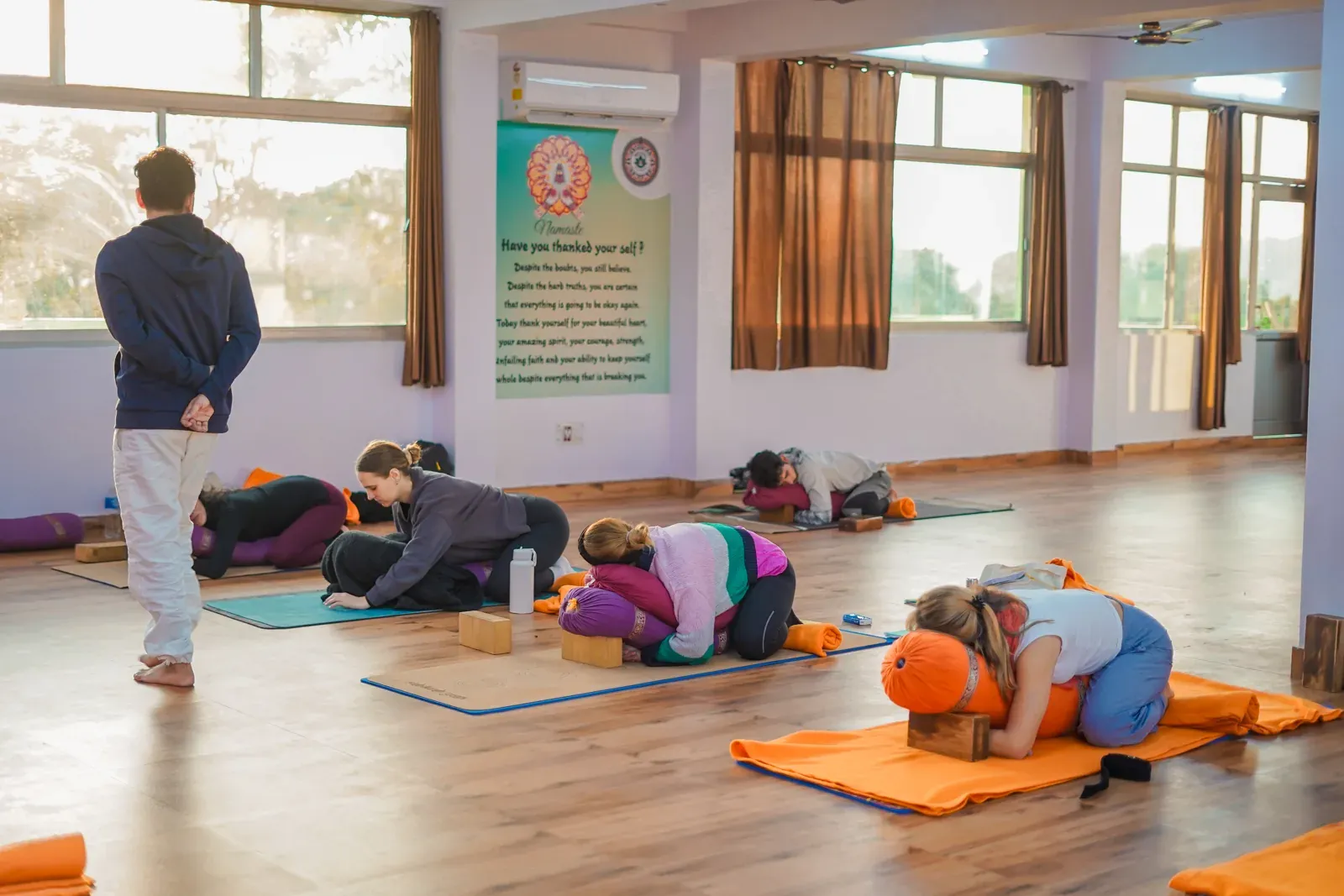
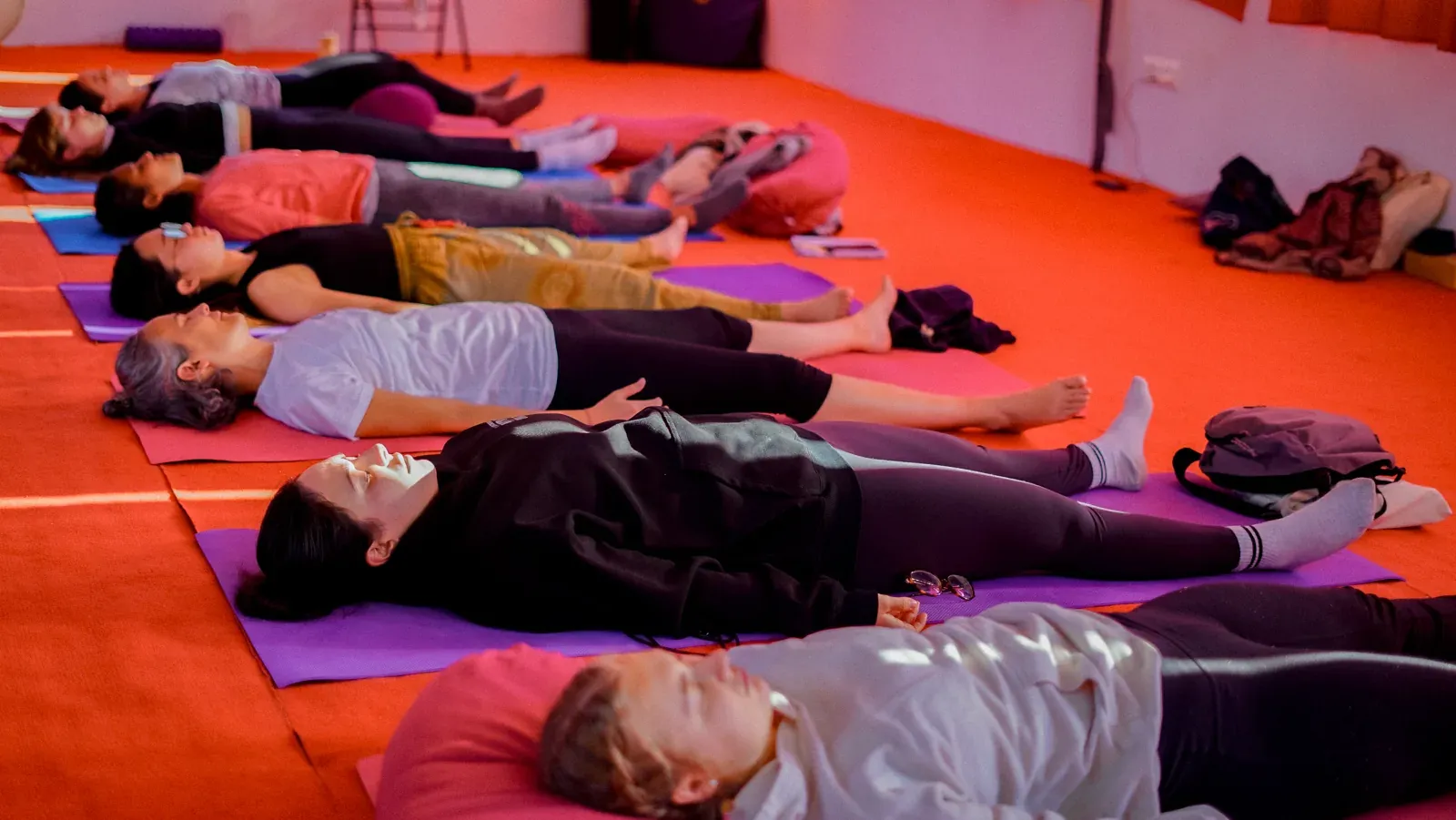
- Several yoga poses and practices are particularly effective for cultivating inner peace, including gentle stretches like Child's Pose (Balasana), calming poses like Legs-Up-the-Wall (Viparita Karani), and relaxation techniques such as Yoga Nidra. Incorporating these into your practice can enhance your overall sense of tranquility.
- I struggle with a busy schedule. How can I incorporate yoga for inner peace into my daily routine?
- Even with a hectic schedule, carving out just a few minutes each day for yoga can make a significant difference in your mental and emotional well-being. Consider starting your day with a short morning routine or winding down with a gentle practice before bed. Remember, consistency matters more than duration.
- What if I find it challenging to quiet my mind during yoga practice?
- It's natural for the mind to wander, especially when first starting a yoga practice. Instead of trying to force your thoughts to stop, simply observe them without judgment and gently redirect your focus back to your breath or the present moment. Over time, this mindfulness practice will become easier, leading to greater inner peace both on and off the mat.
Related reading: the power of Sankalpa, finding stability through yoga and yoga for better sleep.