Yoga for Recovery is gaining recognition as an effective holistic approach to healing and well-being. In recent years, yoga has emerged as a complementary therapy for individuals undergoing recovery from various challenges, including addiction, trauma, illness, or mental health issues. This article explores the profound benefits of integrating yoga into recovery journeys and provides insights into how yoga supports physical, mental, and emotional healing.
#Understanding the Benefits of Yoga for Recovery
Yoga offers a multifaceted approach to recovery, addressing the interconnected aspects of an individual's well-being. The benefits of yoga for recovery include physical healing, mental well-being, and emotional stability.
#Physical Healing
Yoga comprises gentle movements, stretches, and postures that promote flexibility, strength, and balance. Engaging in regular yoga practice enhances circulation, alleviates muscle tension, and supports the body's natural healing processes. Moreover, yoga can help individuals manage chronic pain and improve overall physical function, contributing to a sense of vitality and well-being.
#Mental Well-being
The practice of yoga involves mindfulness, breath awareness, and meditation, which are conducive to calming the mind and reducing mental chatter. Through mindful movement and focused breathing, individuals learn to cultivate present-moment awareness and develop resilience against stressors. Yoga empowers individuals to observe their thoughts and emotions without judgment, fostering a sense of inner peace and mental clarity.
#Emotional Stability
Yoga encourages emotional expression, release, and regulation, providing a safe space for individuals to explore their inner landscape. By connecting breath with movement, yoga facilitates the release of stored tension and emotional blockages, allowing for greater emotional fluidity and resilience. Moreover, yoga promotes self-compassion, acceptance, and forgiveness, enabling individuals to cultivate a positive relationship with themselves and others.
#How Yoga Supports Recovery
Yoga serves as a valuable tool for supporting recovery by addressing the underlying factors contributing to addictive behaviors or mental health challenges.
#Stress Reduction
Yoga offers effective strategies for managing stress and anxiety, which are common triggers for addictive behaviors and relapse. The practice of yoga activates the body's relaxation response, reducing cortisol levels and promoting a sense of calm and equilibrium. By incorporating breathwork, meditation, and relaxation techniques, individuals learn to modulate their stress response and cultivate inner resilience.
#Building Resilience
Yoga cultivates resilience by fostering a sense of inner strength, self-efficacy, and adaptability. Through challenging yoga poses and mindful awareness practices, individuals learn to navigate discomfort and uncertainty with grace and courage. Yoga encourages individuals to embrace imperfection and learn from setbacks, fostering a growth mindset and empowering them to persevere in their recovery journey.
#Enhancing Self-awareness
Yoga promotes self-awareness by encouraging individuals to tune into their physical sensations, thoughts, and emotions with curiosity and compassion. Through introspective practices such as body scanning and mindful breathing, individuals develop greater insight into their patterns of behavior and triggers. Yoga facilitates a deeper understanding of oneself and fosters a sense of self-mastery and empowerment.
#Types of Yoga Practices for Recovery
There are various types of yoga practices suitable for individuals in recovery, ranging from gentle and restorative to more dynamic and challenging.
#Gentle Yoga
Gentle yoga focuses on slow-paced movements, supported postures, and gentle stretches, making it accessible to individuals of all fitness levels and physical abilities. Gentle yoga promotes relaxation, stress relief, and body awareness, making it ideal for beginners or those recovering from injury or illness.
#Restorative Yoga
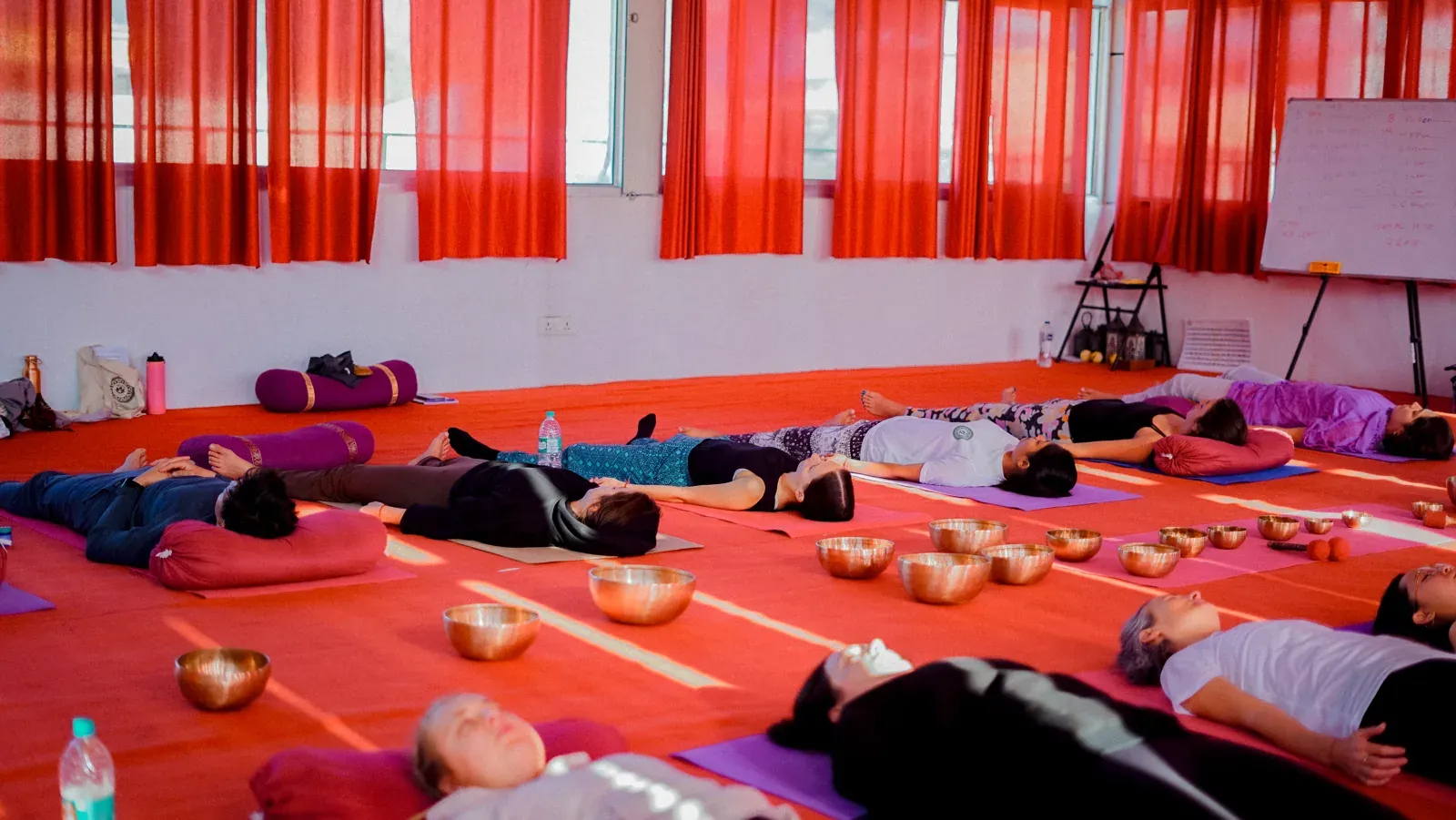
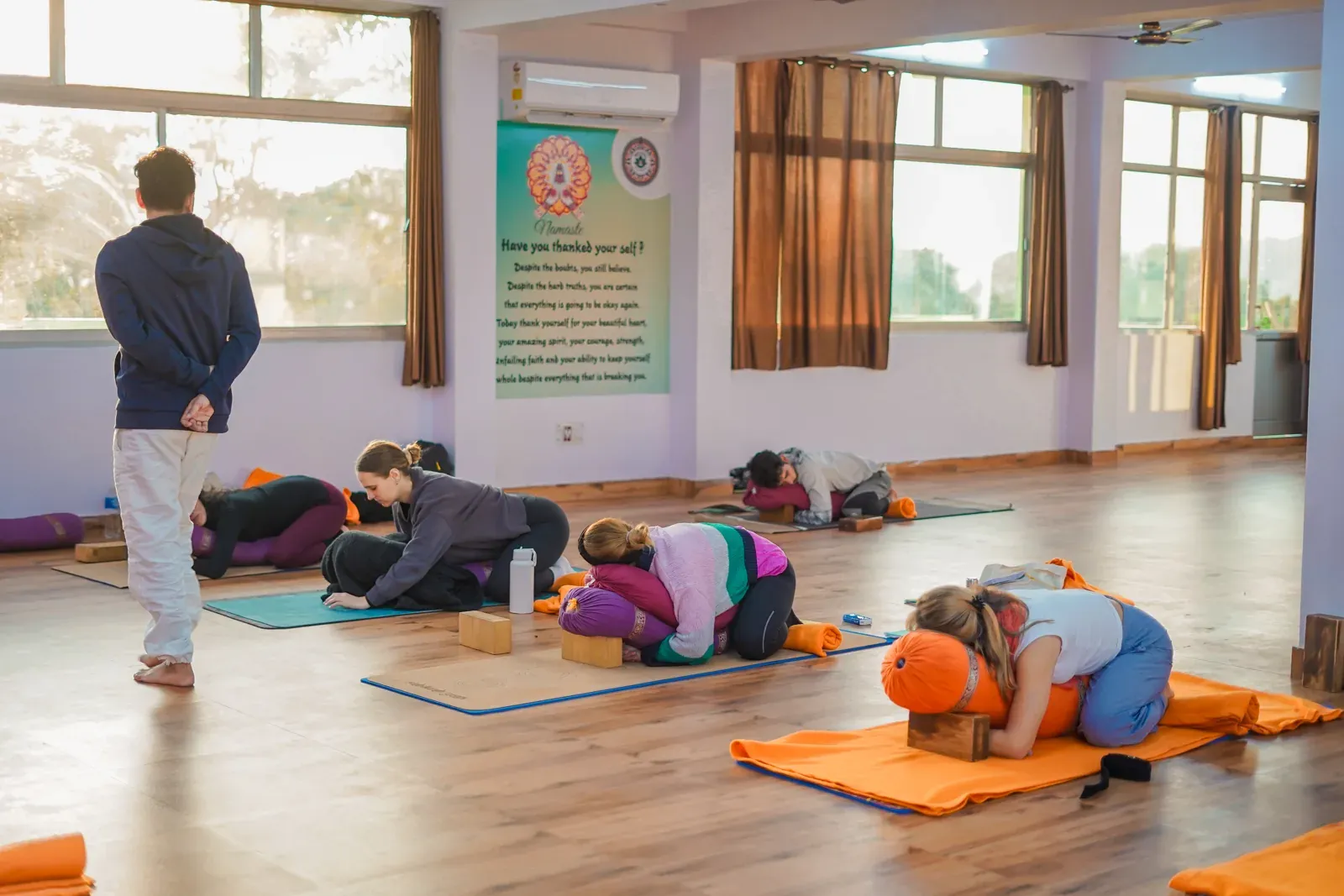
Restorative yoga involves passive, supported poses held for extended periods, allowing for deep relaxation and rejuvenation. Restorative yoga facilitates the release of tension, promotes restful sleep, and nurtures a sense of inner peace and well-being. This gentle practice is particularly beneficial for individuals experiencing chronic stress, fatigue, or burnout.
#Mindfulness-Based Yoga
Mindfulness-based yoga integrates mindfulness meditation with yoga asana practice, emphasizing present-moment awareness and acceptance. Mindfulness-based yoga cultivates mental clarity, emotional resilience, and self-compassion, empowering individuals to navigate challenges with grace and equanimity. This holistic approach fosters a deep sense of connection to oneself and the present moment, facilitating healing and transformation.
#Tips for Getting Started with Yoga for Recovery
Embarking on a yoga practice during recovery can be both empowering and intimidating. Here are some tips to help you get started on your yoga journey:
#Setting Realistic Goals
Start with realistic expectations and be gentle with yourself as you explore yoga. Set achievable goals based on your current abilities and gradually progress at your own pace.
#Creating a Safe Space
Designate a quiet, comfortable space for your yoga practice where you feel safe and supported. Set aside dedicated time for self-care and prioritize your well-being.
#Overcoming Challenges in Yoga Practice during Recovery
While yoga can be profoundly beneficial for recovery, it may also present challenges along the way. Here are some common challenges and strategies for overcoming them:
#Dealing with Physical Limitations
If you have physical limitations or injuries, work with your yoga instructor to modify poses and practices to suit your needs. Focus on gentle movements, breathwork, and relaxation techniques that support your body's healing process.
#Managing Emotional Triggers
Yoga may bring up intense emotions or memories during practice, which can be unsettling. Allow yourself to experience whatever arises with curiosity and compassion, knowing that healing is a nonlinear journey.
#Staying Committed to Practice
Consistency is key to reaping the benefits of yoga for recovery. Find ways to integrate yoga into your daily routine and stay committed to your practice, even when faced with obstacles or resistance.
#Conclusion
Yoga for recovery offers a powerful pathway to healing and transformation, addressing the physical, mental, and emotional aspects of well-being. By embracing yoga as a holistic practice, individuals in recovery can cultivate resilience, self-awareness, and inner peace, empowering them to live wholeheartedly and thrive in their journey of recovery.
#FAQ
#Is yoga suitable for everyone in recovery, regardless of their physical condition?
Yes, yoga can be adapted to accommodate individuals of all ages, fitness levels, and physical abilities. Whether you're recovering from addiction, illness, injury, or trauma, there are yoga practices that can be modified to suit your needs and support your healing journey.
#How can yoga help with addiction recovery?
Yoga offers a holistic approach to addiction recovery by addressing the physical, mental, and emotional aspects of well-being. Through mindful movement, breathwork, and meditation, yoga helps individuals manage stress, regulate emotions, and cultivate self-awareness, reducing the risk of relapse and supporting long-term sobriety.
#What if I'm new to yoga and feel intimidated or unsure about starting?
Starting a yoga practice can feel daunting, especially if you're unfamiliar with the practice or unsure about your abilities. It's important to remember that yoga is a non-judgmental and inclusive practice that welcomes beginners of all backgrounds. Look for beginner-friendly classes or online resources, and don't hesitate to communicate your concerns with your instructor. Remember, yoga is about meeting yourself where you are and embracing the journey with compassion and curiosity.
#Can yoga help with managing stress and anxiety during recovery?
Yes, yoga is highly effective in managing stress and anxiety, which are common triggers for addictive behaviors and relapse. Through mindful movement, breathwork, and relaxation techniques, yoga activates the body's relaxation response, reducing cortisol levels and promoting a sense of calm and equilibrium. By incorporating yoga into your daily routine, you can learn to modulate your stress response and cultivate inner resilience, supporting your overall well-being and recovery journey.
#Are there specific types of yoga that are more beneficial for recovery?
While all forms of yoga offer benefits for recovery, gentle, restorative, and mindfulness-based yoga practices are particularly well-suited for individuals in recovery. These practices emphasize slow-paced movements, supported postures, and mindful awareness, making them accessible to individuals of all fitness levels and physical abilities. Whether you prefer a gentle stretch or a more dynamic flow, there's a style of yoga that can support your healing journey and enhance your overall well-being.