#Introduction to High Blood Pressure
High blood pressure, also known as hypertension, is a common medical condition characterized by elevated blood pressure levels in the arteries. It is often referred to as a "silent killer" because it typically does not cause symptoms until it reaches advanced stages. However, if left unmanaged, high blood pressure can lead to serious health complications such as heart disease, stroke, and kidney failure.
#Understanding Yoga
Yoga is an ancient practice that originated in India and has been around for thousands of years. It involves a combination of physical postures, breathing techniques, and meditation to promote overall health and well-being. The word "yoga" itself means union, signifying the integration of mind, body, and spirit.
Yoga offers numerous benefits beyond physical fitness, including stress reduction, improved flexibility, enhanced mental clarity, and increased energy levels. It is often recommended as a holistic approach to health that addresses not only the symptoms but also the underlying causes of various health conditions.
#Yoga and Blood Pressure
Research has shown that yoga can be an effective complementary therapy for managing high blood pressure. The practice of yoga promotes relaxation, reduces stress levels, and improves circulation, all of which contribute to lower blood pressure readings.
Numerous studies have demonstrated the positive effects of yoga on blood pressure regulation. For example, a meta-analysis published in the Journal of Hypertension found that practicing yoga consistently led to significant reductions in both systolic and diastolic blood pressure levels.
#Best Yoga Poses for High Blood Pressure
When practicing yoga for high blood pressure, it's essential to focus on gentle poses that promote relaxation and stress relief. Some beginner-friendly poses include:
- Mountain Pose (Tadasana): Standing tall with feet hip-width apart, arms by the sides, and palms facing forward.
- Child's Pose (Balasana): Kneeling on the mat, sit back on the heels with arms extended forward and forehead resting on the ground.
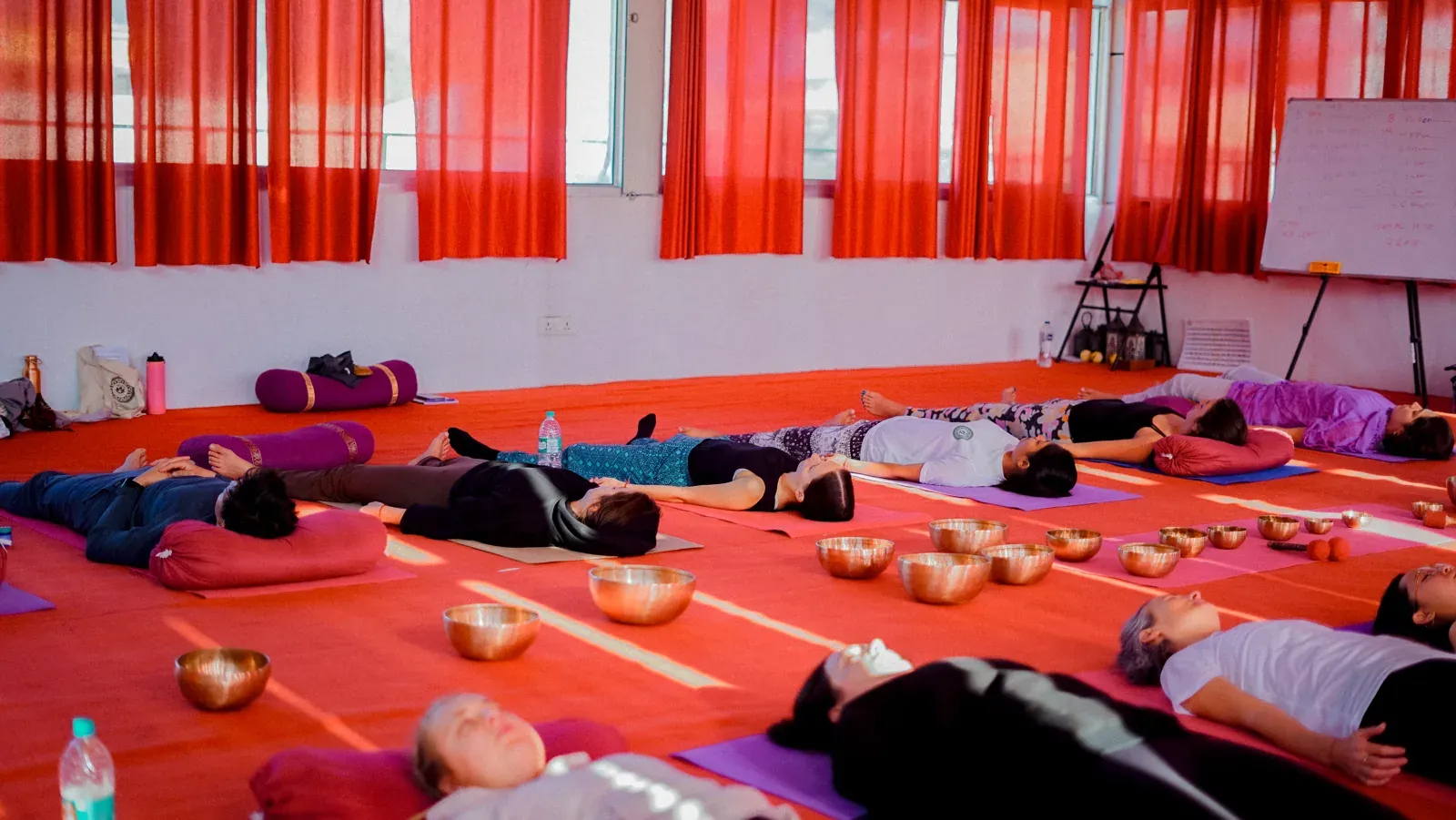
- Corpse Pose (Savasana): Lying flat on the back with arms and legs extended, palms facing up, and eyes closed.
For more experienced practitioners, advanced poses such as inversions and backbends can also be beneficial for lowering blood pressure.
#Pranayama Techniques for Blood Pressure Regulation
Pranayama, or yogic breathing exercises, are an integral part of yoga practice and can play a significant role in regulating blood pressure. Some pranayama techniques that are particularly effective for lowering blood pressure include:
- Deep Breathing (Dirga Pranayama): Inhaling deeply through the nose, expanding the abdomen, and exhaling slowly through the mouth.
- Alternate Nostril Breathing (Nadi Shodhana): Using the thumb and ring finger to alternate blocking one nostril while inhaling and exhaling through the other.
- Bee Breath (Bhramari Pranayama): Inhaling deeply through the nose and exhaling while making a humming sound like a bee.
#Incorporating Yoga into Daily Routine
To reap the benefits of yoga for high blood pressure, it's essential to incorporate it into your daily routine. Start by setting aside a specific time each day for your yoga practice, even if it's just for a few minutes. Consistency is key to seeing results, so commit to making yoga a regular part of your life.
In addition to practicing yoga on your own, consider joining a yoga class or hiring a certified instructor to guide you through proper techniques and alignment. Surrounding yourself with a supportive community can help keep you motivated and accountable.
#Precautions and Considerations
While yoga is generally safe for most people, it's essential to take certain precautions, especially if you have underlying health conditions such as high blood pressure. Always consult with your healthcare provider before starting any new exercise regimen, including yoga.
If you have uncontrolled high blood pressure or are at risk for cardiovascular complications, your doctor may recommend modifications to certain poses or advise against specific practices altogether. Listen to your body and honor its limitations to prevent injury and ensure a safe and enjoyable yoga experience.
#Conclusion
Yoga offers a holistic approach to managing high blood pressure by promoting relaxation, reducing stress, and improving overall cardiovascular health. By incorporating gentle yoga poses, pranayama techniques, and mindfulness practices into your daily routine, you can effectively lower your blood pressure and enhance your overall well-being.
Take the first step towards better health today by exploring the transformative power of yoga. Whether you're a beginner or an experienced practitioner, there's a yoga practice suitable for you. Embrace the journey towards optimal health and vitality with yoga as your trusted companion.
#FAQs (Frequently Asked Questions)
#Can yoga cure high blood pressure?
While yoga can help manage high blood pressure, it's not a cure. It should be used as a complementary therapy alongside medical treatment and lifestyle modifications.
#How often should I practice yoga for high blood pressure?
Aim to practice yoga for at least 30 minutes most days of the week for optimal results. Consistency is key to seeing improvements in blood pressure levels.
#Are there any yoga poses to avoid if I have high blood pressure?
Individuals with high blood pressure should avoid strenuous poses that involve intense exertion or holding the breath for extended periods. It's best to consult with a healthcare professional or experienced yoga instructor for personalized guidance.
#Can meditation help lower blood pressure?
Yes, meditation is an integral part of yoga practice and can help lower blood pressure by reducing stress and promoting relaxation. Incorporating mindfulness meditation techniques alongside yoga poses and breathing exercises can enhance the benefits for blood pressure management.
#Is it safe to practice yoga if I'm taking medication for high blood pressure?
Yes, it's generally safe to practice yoga while taking medication for high blood pressure. However, it's essential to inform your yoga instructor about your medical condition and any medications you're taking to ensure a safe and appropriate practice.