Bhujangasana, commonly known as Cobra Pose, is a foundational asana in the practice of yoga. It derives its name from the Sanskrit words "bhujanga," meaning serpent or snake, and "asana," meaning pose. This pose resembles the raised hood of a cobra, hence the name. Bhujangasana offers a multitude of benefits for both the body and mind, making it a popular choice among yoga enthusiasts worldwide.
#Benefits of Bhujangasana
#Physical Benefits:
Bhujangasana is renowned for its ability to enhance flexibility and strength in the spine, back, and core muscles. Regular practice of this asana can alleviate stiffness in the lower back and improve posture. It also stimulates abdominal organs, promoting digestion and detoxification.
#Mental Benefits:
Beyond its physical advantages, Bhujangasana has profound effects on mental well-being. The gentle backbend opens the heart center, fostering feelings of positivity and confidence. It can help reduce stress, anxiety, and fatigue, promoting mental clarity and emotional balance.
#Spiritual Benefits:
In yoga philosophy, Bhujangasana is associated with the Anahata chakra, located at the heart center. Practicing this pose can awaken a sense of compassion, love, and connection with oneself and others. It serves as a reminder to embrace life with openness and resilience, much like the serenity of a snake.
#How to Perform Bhujangasana
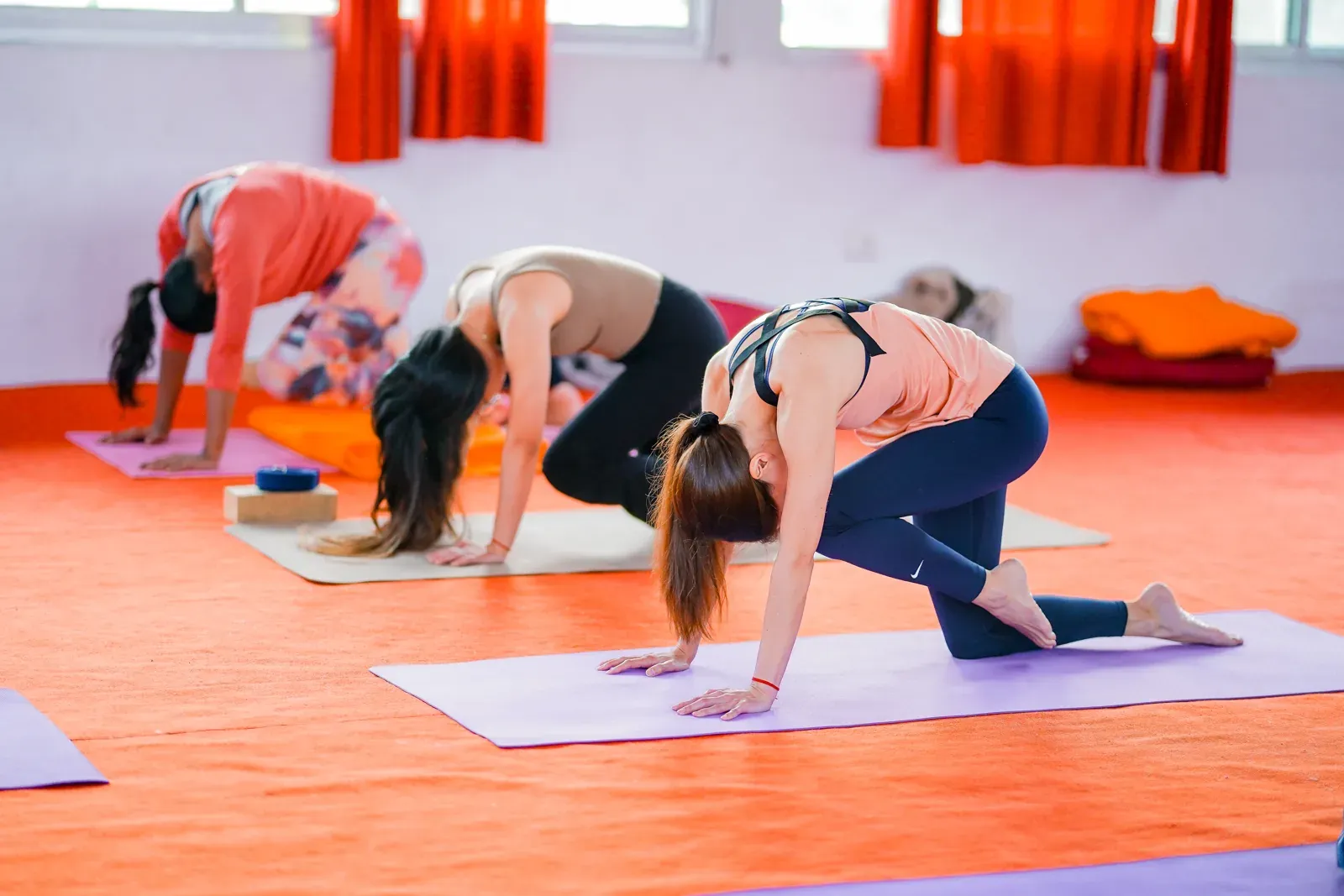
Before attempting Bhujangasana, it's essential to warm up the body with gentle stretches and preparatory poses such as Child's Pose or Cat-Cow Pose. Once adequately warmed up, follow these steps:
- Lie flat on your stomach, with your legs extended and feet hip-width apart.
- Place your palms on the mat, directly under your shoulders, fingertips pointing forward.
- Inhale as you gently lift your chest off the mat, keeping your elbows close to your body.
- Press the tops of your feet firmly into the mat, engaging your leg muscles.
- Keep your shoulders relaxed, away from your ears, and gaze forward or slightly upward.
- Hold the pose for 15-30 seconds, breathing deeply.
- Exhale as you slowly release back to the mat, resting your forehead on the ground.
#Common Mistakes to Avoid
While performing Bhujangasana, it's essential to maintain proper alignment and avoid the following mistakes:
- Overarching the neck and straining the cervical spine.
- Using excessive force to lift the chest, leading to tension in the lower back.
- Holding the breath or shallow breathing.
- Locking the elbows or hyperextending the arms.
#Modifications for Different Levels
Depending on your flexibility and experience level, you can modify Bhujangasana to suit your needs:
- Beginners can start with a gentle variation by lifting only a few inches off the ground and keeping the elbows slightly bent.
- Intermediate practitioners can deepen the backbend by straightening the arms fully and lifting the chest higher.
- Advanced yogis may explore deeper variations such as King Cobra Pose, where the feet are lifted off the ground, or Upward Facing Dog Pose, with the thighs off the mat.
#Breathing Techniques During Bhujangasana
Conscious breathing is integral to the practice of Bhujangasana. Coordinate your breath with movement as follows:
- Inhale as you lift the chest and arch the spine, expanding the ribcage.
- Exhale slowly as you release back to the mat, maintaining awareness of the breath throughout the pose.
#Precautions and Contraindications
While Bhujangasana offers numerous benefits, it may not be suitable for everyone. Exercise caution or avoid this pose if you have:
- Recent abdominal surgery or herniated discs.
- Back injuries or chronic pain.
- Pregnancy, especially in later trimesters.
Always consult with a qualified yoga instructor or healthcare professional before attempting Bhujangasana, especially if you have any underlying medical conditions.
#Incorporating Bhujangasana into a Routine
To reap the full benefits of Bhujangasana, incorporate it into your regular yoga practice. Pair it with complementary poses such as Downward Facing Dog, Forward Fold, and twists for a balanced sequence. Practice mindfully, listening to your body's cues, and honoring your limitations.
#Conclusion
Bhujangasana is more than just a yoga pose; it's a gateway to physical vitality, mental clarity, and spiritual awakening. By incorporating this asana into your daily routine with mindfulness and intention, you can cultivate a deeper connection with yourself and experience holistic well-being.
#FAQ
- Is Bhujangasana suitable for beginners?
- Yes, beginners can start with modified versions of Bhujangasana and gradually progress as they build strength and flexibility.
- Can Bhujangasana help alleviate back pain?
- Regular practice of Bhujangasana can strengthen the muscles supporting the spine, potentially reducing back pain over time. However, consult with a healthcare professional if you have chronic or severe back issues.
- How long should I hold Bhujangasana?
- Aim to hold Bhujangasana for 15-30 seconds initially, gradually increasing the duration as you become more comfortable with the pose.
- Can Bhujangasana improve digestion?
- Yes, the gentle compression of the abdomen in Bhujangasana stimulates digestive organs, promoting healthy digestion and elimination.
- Are there any counterposes for Bhujangasana?
- Yes, consider practicing counterposes such as Child's Pose or Corpse Pose after Bhujangasana to release any tension in the spine and relax the body.