#Introduction to Padmasana
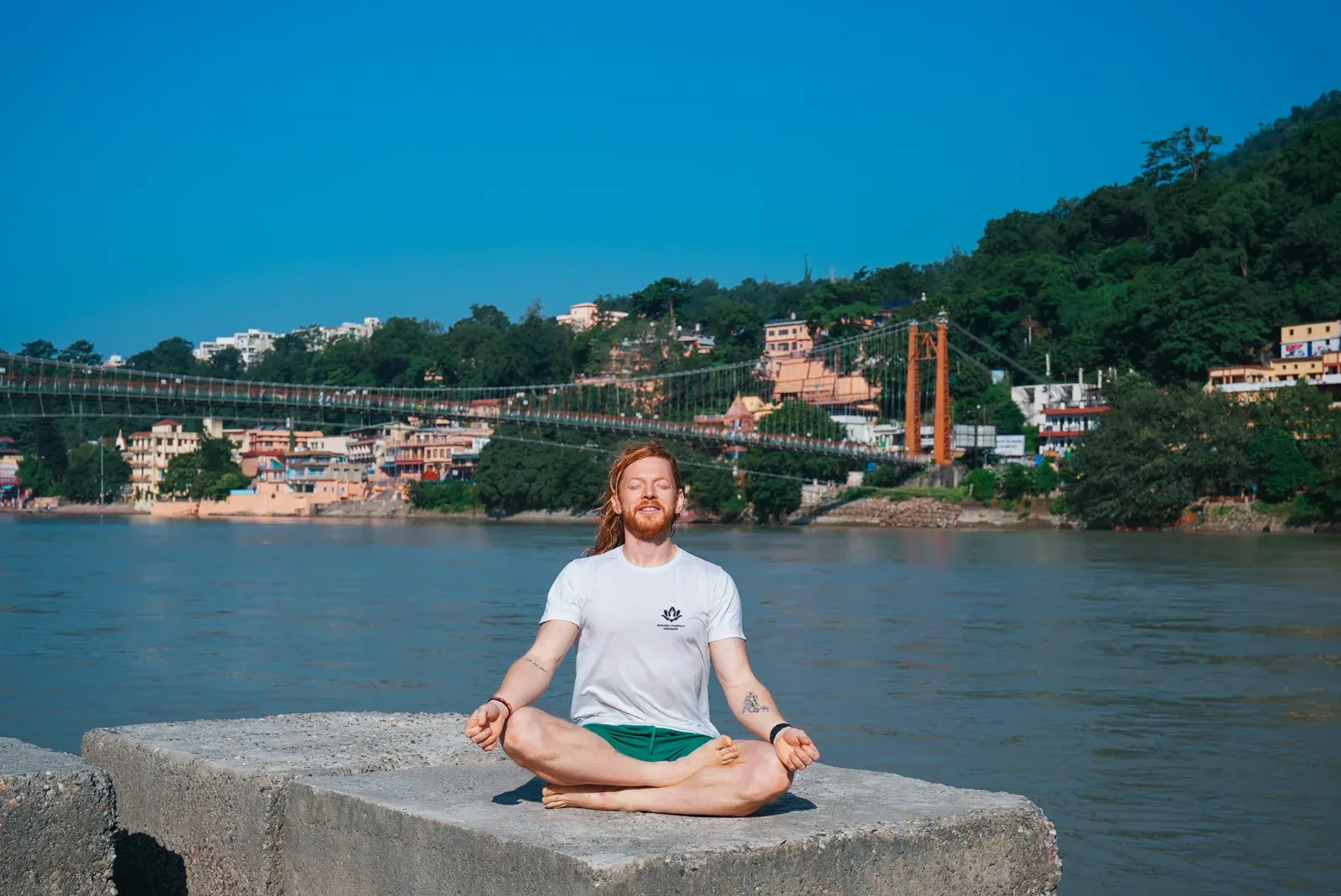
Padmasana, originating from Sanskrit, combines two words: "Padma," which translates to lotus, and "Asana," meaning posture or seat. This name reflects the pose's resemblance to a lotus flower in bloom. Padmasana is a seated meditation posture characterized by the crossing of the legs and placement of each foot on the opposite thigh. The symmetry of this posture resembles the graceful unfolding of a lotus flower, symbolizing purity and spiritual growth.
By assuming this seated position, practitioners cultivate stability and groundedness, allowing for a deeper connection to the earth and inner self during meditation. The practice of Padmasana encourages proper alignment of the spine and hips, facilitating a comfortable and stable seat for extended periods of meditation. As a foundational pose in yoga, Padmasana serves as a gateway to deeper states of awareness and spiritual awakening.
#Benefits of Padmasana
#Physical benefits
Padmasana helps improve posture and strengthens the spine. It stretches the ankles and knees, enhancing flexibility in these joints. Additionally, regular practice can alleviate menstrual discomfort and improve digestion.
#Mental benefits
This asana promotes mental clarity and focus. It calms the mind, reducing stress and anxiety levels. Padmasana is also believed to stimulate the brain and increase blood circulation to the pelvic region.
#Spiritual benefits
In yoga philosophy, Padmasana is associated with spiritual awakening and enlightenment. It is believed to balance the energy centers in the body, known as chakras, particularly the Muladhara (root) and Sahasrara (crown) chakras.
#How to do Padmasana
- Sit on the floor with legs extended and spine erect.
- Bend the right knee and place the right foot on the left thigh, close to the groin.
- Similarly, bend the left knee and place the left foot on the right thigh.
- Rest hands on the knees in mudra position or place them on the thighs.
- Keep the spine straight, shoulders relaxed, and chin parallel to the floor.
- Close the eyes and focus on the breath.
#Precautions and modifications
Padmasana, although beneficial, may not be appropriate for everyone. Those with knee or ankle injuries should steer clear of this pose to prevent exacerbating their condition. For beginners or individuals with limited flexibility, modifications such as practicing Half Lotus Pose (Ardha Padmasana) or using supportive props like cushions can provide a safer alternative.
These modifications allow individuals to gradually build strength and flexibility in the hips and knees, preparing them for the full expression of Padmasana over time. It's crucial to listen to your body and work within your limits to avoid strain or injury. By incorporating modifications and respecting your body's boundaries, you can still experience the benefits of Padmasana while minimizing the risk of discomfort or harm.
#Padmasana in yoga philosophy
Padmasana holds profound symbolism in yoga philosophy, representing purity and transcendence. The lotus, rooted in the muddy depths of ponds, symbolizes growth and enlightenment emerging from adversity. Just as the lotus rises above the murky waters to blossom into a beautiful flower, practitioners strive to transcend their worldly challenges and reach spiritual enlightenment. In meditation, assuming the posture of Padmasana is believed to create an optimal environment for spiritual practice.
The stability and comfort of this pose allow practitioners to focus inward, quieting the mind and deepening their connection to the divine. By sitting in Padmasana, individuals can cultivate a sense of inner peace and harmony, paving the way for profound spiritual experiences and personal growth on their journey towards enlightenment.
#Padmasana and meditation
The steady and comfortable posture of Padmasana plays a pivotal role in facilitating deep meditation. By assuming this seated position, practitioners can maintain a stable and relaxed body, which is conducive to turning their attention inward. The firm grounding of the crossed legs provides a sense of stability, while the upright spine encourages alertness and mindfulness. This alignment allows for uninterrupted flow of energy throughout the body, fostering a sense of inner peace and tranquility.
As the practitioner focuses inward, they can engage in introspection, exploring their thoughts, emotions, and inner experiences with clarity and equanimity. Padmasana thus becomes a powerful tool for cultivating mindfulness and deepening one's meditation practice, enabling individuals to access deeper states of consciousness and inner stillness.
#Common mistakes to avoid
In Padmasana, several common mistakes can compromise the integrity of the pose and increase the risk of injury. One such mistake is forcefully pushing the knees down, which can strain the ligaments and cause discomfort in the knees. Additionally, rounding the spine detracts from the alignment of the pose, reducing its effectiveness and potentially leading to back pain.
Tensing the shoulders is another common error that can restrict breathing and create tension in the upper body. To practice Padmasana safely, it's crucial to listen to your body and cultivate awareness of your physical sensations. By respecting your body's limitations and maintaining proper alignment, you can avoid these pitfalls and reap the full benefits of Padmasana without risking injury.
#Tips for a comfortable Padmasana practice
Prior to practicing Padmasana, it's essential to prepare the body with appropriate warm-up exercises. Hip openers and forward bends help loosen the hips, hamstrings, and lower back, making it easier to assume the Lotus Pose comfortably. These movements also increase blood flow to the pelvic region, promoting flexibility and reducing the risk of strain or injury during Padmasana.
Additionally, using blankets or blocks under the knees can provide support and cushioning, alleviating discomfort and making the pose more accessible, especially for individuals with tight hips or knees. By incorporating these preparatory measures into your practice routine, you can ensure a safer and more enjoyable experience in Padmasana while maximizing its benefits for your body and mind.
#Incorporating Padmasana into a yoga routine
Padmasana offers flexibility in practice, suitable for any time of the day, though practicing on an empty stomach is preferable for comfort and digestion. This pose synergizes harmoniously with other seated asanas and meditation techniques, enhancing the overall effectiveness of a yoga session. Integrating Padmasana into a daily routine can yield numerous benefits, both physically and mentally.
Regular practice improves flexibility in the hips and knees, strengthens the spine, and promotes better posture. Moreover, the meditative aspect of Padmasana cultivates a sense of inner peace and tranquility, reducing stress and anxiety levels. By incorporating Padmasana into your daily yoga regimen, you can foster a deeper connection between mind, body, and spirit, leading to enhanced overall well-being and a more balanced lifestyle.
#Conclusion
Padmasana, the Lotus Pose, offers a myriad of benefits for the body, mind, and spirit. Incorporating this ancient practice into your yoga routine can lead to increased flexibility, inner peace, and spiritual growth.
#FAQs
#What are the benefits of practicing Padmasana regularly?
Regular practice of Padmasana improves flexibility, strengthens the spine, and promotes mental clarity and focus.
#Can anyone do Padmasana?
While Padmasana is accessible to many, individuals with knee or ankle injuries should proceed with caution or choose alternative poses.
#How long should one hold Padmasana?
Beginners can start with 1-2 minutes and gradually increase the duration as comfort allows. Advanced practitioners may hold the pose for longer durations during meditation sessions.
#Is Padmasana suitable for pregnant women?
Pregnant women should avoid Padmasana, especially in later stages of pregnancy, due to the pressure it places on the abdomen. Consultation with a healthcare provider is recommended.
#Can Padmasana help with anxiety?
Yes, Padmasana's calming effect on the mind and promotion of deep breathing can help reduce anxiety levels when practiced regularly.