Yoga, an ancient practice originating from India, encompasses a myriad of poses that not only enhance physical strength and flexibility but also promote mental and spiritual well-being. Among these poses, Natarajasana, also known as Lord of the Dance Pose, holds a significant place. Let's delve into the intricacies of Natarajasana, exploring its origins, benefits, practice, variations, and much more.
#Origins and Meaning of Natarajasana
Natarajasana, rooted in Hindu mythology, embodies the cosmic dance of Lord Shiva, deity of destruction and transformation. This pose symbolizes the eternal cycle of creation and destruction, echoing Shiva's role as the cosmic dancer. Known as the Lord of the Dance Pose, Natarajasana reflects grace and balance, mirroring the harmonious rhythm of the universe. As practitioners emulate this divine dance, they connect with the profound symbolism embedded within the pose. With each movement, they honor the dynamic forces of creation and dissolution, finding equilibrium amid the perpetual flux of existence. Natarajasana serves as a reminder of the interconnectedness of all things and the enduring cycle of life, death, and rebirth.
#Benefits of Practicing Natarajasana
#Physical Benefits
Natarajasana offers a plethora of physical benefits, including improved balance, flexibility, and strength. It stretches the shoulders, chest, thighs, groins, and abdomen while simultaneously strengthening the legs, ankles, and back muscles.
#Mental Benefits
Beyond its physical aspects, Natarajasana fosters mental clarity and focus. The concentration required to maintain balance in the pose enhances mindfulness, calming the mind and reducing stress and anxiety.
#Spiritual Benefits
In yogic philosophy, practicing Natarajasana is believed to awaken the energy of Lord Shiva within oneself, promoting spiritual growth and self-awareness. It fosters a deep connection with the divine and cultivates a sense of reverence for the cosmic forces at play.
#Preparing for Natarajasana
Prior to engaging in Natarajasana, thorough preparation is vital. Initiate the practice with gentle warm-up routines aimed at loosening muscles and enhancing blood circulation. This prelude primes the body for the ensuing demands of the pose. Moreover, prioritize maintaining proper alignment throughout the preparatory phase and the subsequent pose. This ensures optimal engagement of muscles and reduces the risk of strain or injury. Equally important is the cultivation of bodily awareness; attune yourself to the feedback your body provides, respecting its limits and signals. By diligently adhering to these preparatory measures, practitioners can embark on their Natarajasana journey with confidence and mindfulness, fostering a safe and rewarding yoga experience.
#Step-by-Step Guide to Natarajasana
- Starting position: Stand tall in Tadasana, with your feet hip-width apart and arms by your sides.
- Lifting the leg: Shift your weight onto your left foot and bend your right knee, bringing the heel towards the buttock.
- Reaching back with the hand: Reach your right hand back and grasp the inside of your right foot or ankle.
- Balance and focus: Inhale deeply as you lift your left arm overhead, extending through the fingertips. Keep your gaze steady and find a focal point to maintain balance.
- Hold and breathe: Hold the pose for several breaths, lengthening the spine and lifting the chest.
- Release and repeat: Slowly release the pose and switch sides, performing the sequence with the opposite leg.
#Modifications and Variations of Natarajasana
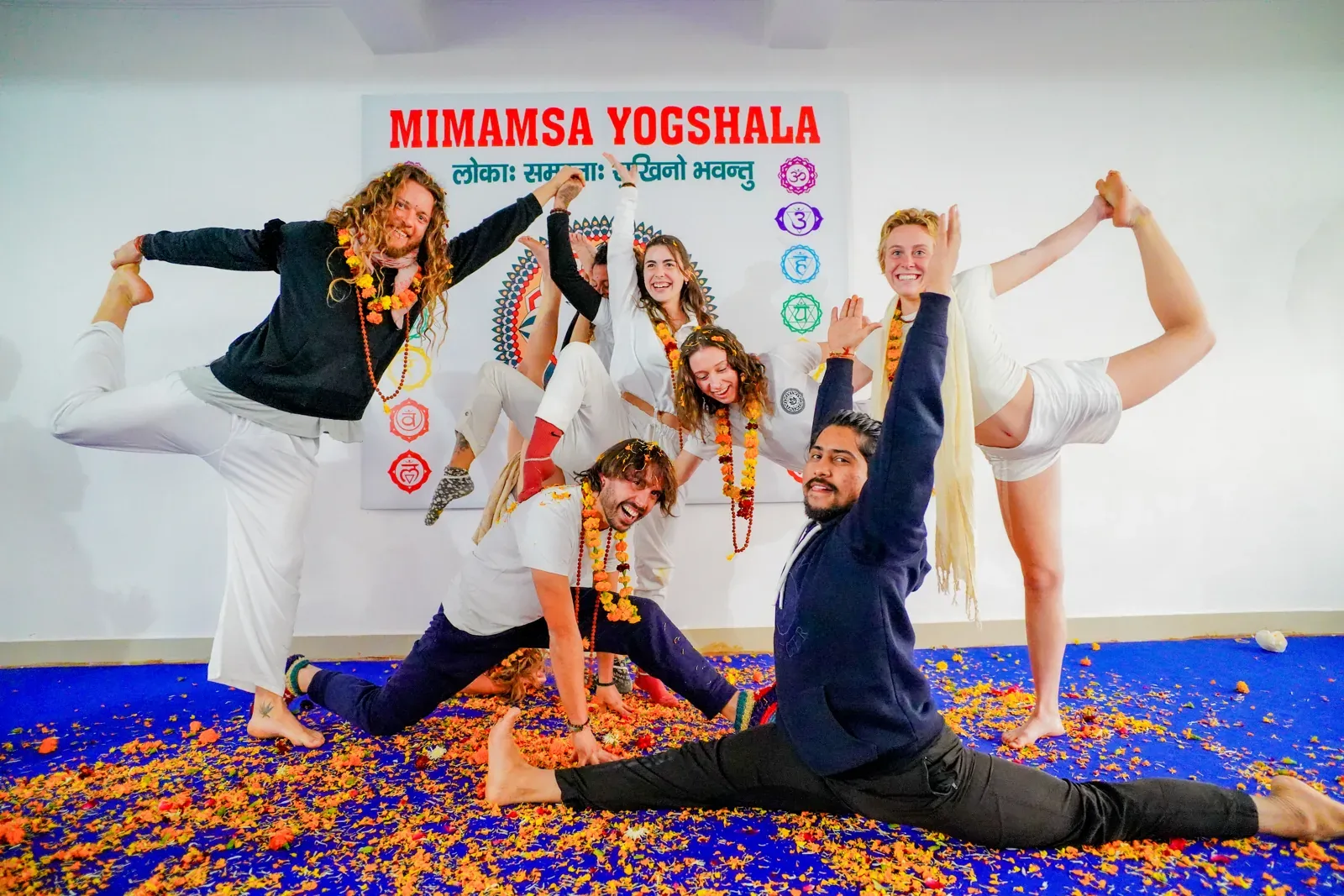
Natarajasana's adaptability makes it accessible to practitioners of diverse body types and proficiency levels. Beginners can ease into the pose by employing props like yoga straps or utilizing a wall for stability, aiding in alignment and balance as they familiarize themselves with the posture. Conversely, experienced yogis may delve into more intricate variations, embracing the full expression of Natarajasana with deeper backbends and refined alignment.
These advanced modifications challenge practitioners to deepen their practice, expanding their range of motion and enhancing strength and flexibility. By offering a spectrum of options, Natarajasana accommodates individuals at every stage of their yoga journey, fostering inclusivity and empowerment. Whether one opts for a gentle introduction or seeks to push the boundaries of their practice, Natarajasana beckons as a versatile and enriching posture on the path to physical and spiritual well-being.
#Common Mistakes to Avoid
To practice Natarajasana safely, it's imperative to avoid overarching the back, as this can strain the spine and lead to discomfort or injury. Additionally, refrain from pushing the pose beyond your current level of flexibility; honor your body's limitations and progress gradually. Central to a successful practice is the cultivation of steady, rhythmic breathing. By synchronizing breath with movement, practitioners enhance focus, promote relaxation, and facilitate the flow of energy throughout the body.
Avoid the temptation to hold your breath, as this disrupts the natural rhythm and may hinder your ability to maintain balance and stability in the pose. By prioritizing alignment, mindful movement, and breath awareness, practitioners can reap the full benefits of Natarajasana while safeguarding against potential strain or injury.
#Incorporating Natarajasana into Your Yoga Routine
For optimal results, incorporate Natarajasana into your regular yoga routine. Consistency is key; aim to practice the pose regularly rather than sporadically. Start with shorter sessions and gradually increase both the duration and frequency of your practice as you become more comfortable and proficient. By integrating Natarajasana into your routine, you allow your body to adapt and progress steadily over time, reaping the full spectrum of benefits it offers.
Remember to listen to your body and respect its signals; avoid pushing yourself too hard and instead focus on cultivating a sustainable practice that aligns with your individual needs and abilities. Whether you practice Natarajasana daily or a few times a week, the key is to establish a routine that supports your overall well-being and enhances your yoga journey.
#Natarajasana for Different Fitness Levels
Natarajasana is adaptable to practitioners of all fitness levels, whether you're just starting your yoga journey or have been practicing for years. Regardless of your experience, begin with simpler variations of the pose to establish a foundation and familiarize yourself with the alignment and movement patterns. As you gain confidence and proficiency, gradually introduce more challenging variations to deepen your practice and expand your range of motion.
Regardless of your current level, focus on building strength, stability, and flexibility over time. Remember that progress is a journey, not a destination, so be patient and compassionate with yourself as you navigate your practice. With dedication and perseverance, Natarajasana can become a cornerstone of your yoga practice, supporting your physical, mental, and spiritual well-being.
#Real-life Applications of Natarajasana
The benefits of Natarajasana transcend the confines of the yoga mat, enriching everyday life in numerous ways. Enhanced posture, cultivated through the alignment and strengthening of core muscles in the pose, promotes spinal health and reduces the risk of discomfort or injury during prolonged periods of sitting or standing. Improved balance, fostered by the focus and stability required in Natarajasana, translates to greater stability and coordination in daily activities, whether navigating crowded streets or participating in recreational sports.
Furthermore, heightened body awareness, honed through mindful movement and breath in the pose, facilitates a deeper connection with one's physical self, fostering mindfulness and presence in all aspects of life. By integrating the benefits of Natarajasana into daily routines, practitioners can enjoy a more vibrant, balanced, and embodied existence both on and off the mat.
#Natarajasana in Art and Culture
Natarajasana's significance extends beyond the realm of yoga practice, permeating various aspects of art, literature, and culture throughout history. Depicted in ancient texts, sculptures, and dance forms, the pose serves as a powerful symbol of the intricate interplay between the physical and spiritual dimensions of existence. Its portrayal in artistic and literary works underscores its timeless relevance in Indian culture, where it represents the divine union of body and spirit.
From the graceful movements of classical Indian dance to the intricate carvings adorning temple walls, Natarajasana embodies the harmonious fusion of physical prowess and spiritual enlightenment. As a cultural icon, it continues to inspire reverence and awe, serving as a reminder of humanity's eternal quest for balance, transcendence, and unity with the divine.
#Tips for Progressing in Natarajasana
Achieving mastery in Natarajasana requires patience and persistence. Honor your body's journey by listening attentively to its signals and respecting its current capabilities. Embrace a mindset of gradual progression, understanding that growth takes time and dedication. It's essential to seek guidance from an experienced yoga instructor, who can offer personalized adjustments and modifications to support your practice safely.
By cultivating mindfulness and self-awareness, you can navigate the challenges of Natarajasana with confidence and grace. Remember that each individual's path is unique, and progress may unfold at a different pace for each practitioner. Embrace the journey with an open heart, trusting in your innate wisdom and resilience to guide you toward deeper expressions of the pose and profound personal growth.
#Overcoming Challenges in Natarajasana Practice
Flexibility limitations and fear of falling can pose significant challenges for those practicing Natarajasana. It's crucial to approach the practice with humility and self-compassion, recognizing that everyone's journey is unique. Embrace your limitations with kindness, understanding that progress is a gradual process that requires patience and perseverance. Rather than striving for perfection, focus on the journey of self-discovery and growth inherent in the practice of yoga.
Cultivate a sense of curiosity and exploration, allowing yourself to experiment with different variations and modifications to find what works best for your body. Remember that it's okay to stumble or fall; these moments offer valuable opportunities for learning and growth. By approaching Natarajasana with an open heart and a gentle spirit, you can overcome challenges with grace and resilience, ultimately deepening your practice and connection to yourself.
#Listen to Your Body: Safety and Self-care
In your yoga practice, safety and self-care should always come first. Listen attentively to your body's signals and honor its needs without judgment or expectation. Approach each practice session with mindfulness and awareness, tuning in to the present moment and cultivating a deep sense of gratitude for the opportunity to explore and grow. Natarajasana, like any yoga pose, is a journey of self-discovery, offering insights into your physical, mental, and spiritual well-being.
Embrace this journey with openness and curiosity, recognizing that every experience, whether challenging or joyful, contributes to your growth and evolution. Remember that it's okay to modify or skip poses that feel uncomfortable or unsafe for you. By prioritizing safety, self-care, and gratitude in your yoga practice, you create a nurturing environment that supports your overall health and well-being on and off the mat.
#Conclusion
Natarajasana is more than just a yoga pose; it's a symbolic representation of the eternal dance of life. By embracing the grace and fluidity of Natarajasana, we can cultivate balance, strength, and spiritual awakening both on and off the mat.
#FAQs
#Is Natarajasana suitable for beginners?
Yes, beginners can start with modified versions of Natarajasana and gradually progress as they build strength and flexibility.
#How often should I practice Natarajasana?
Aim to practice Natarajasana regularly, ideally incorporating it into your yoga routine at least a few times per week.
#Can Natarajasana help improve posture?
Yes, Natarajasana strengthens the back muscles and promotes proper alignment, which can contribute to improved posture over time.
#I have tight hamstrings. Can I still practice Natarajasana?
Yes, but be mindful of your limitations and avoid forcing the pose. Use props or modify the pose as needed to accommodate tight hamstrings.
#What should I do if I feel pain or discomfort during Natarajasana?
Listen to your body and ease out of the pose if you experience pain. Consult with a yoga instructor or healthcare professional if you have concerns.