
#Introduction to Virasana
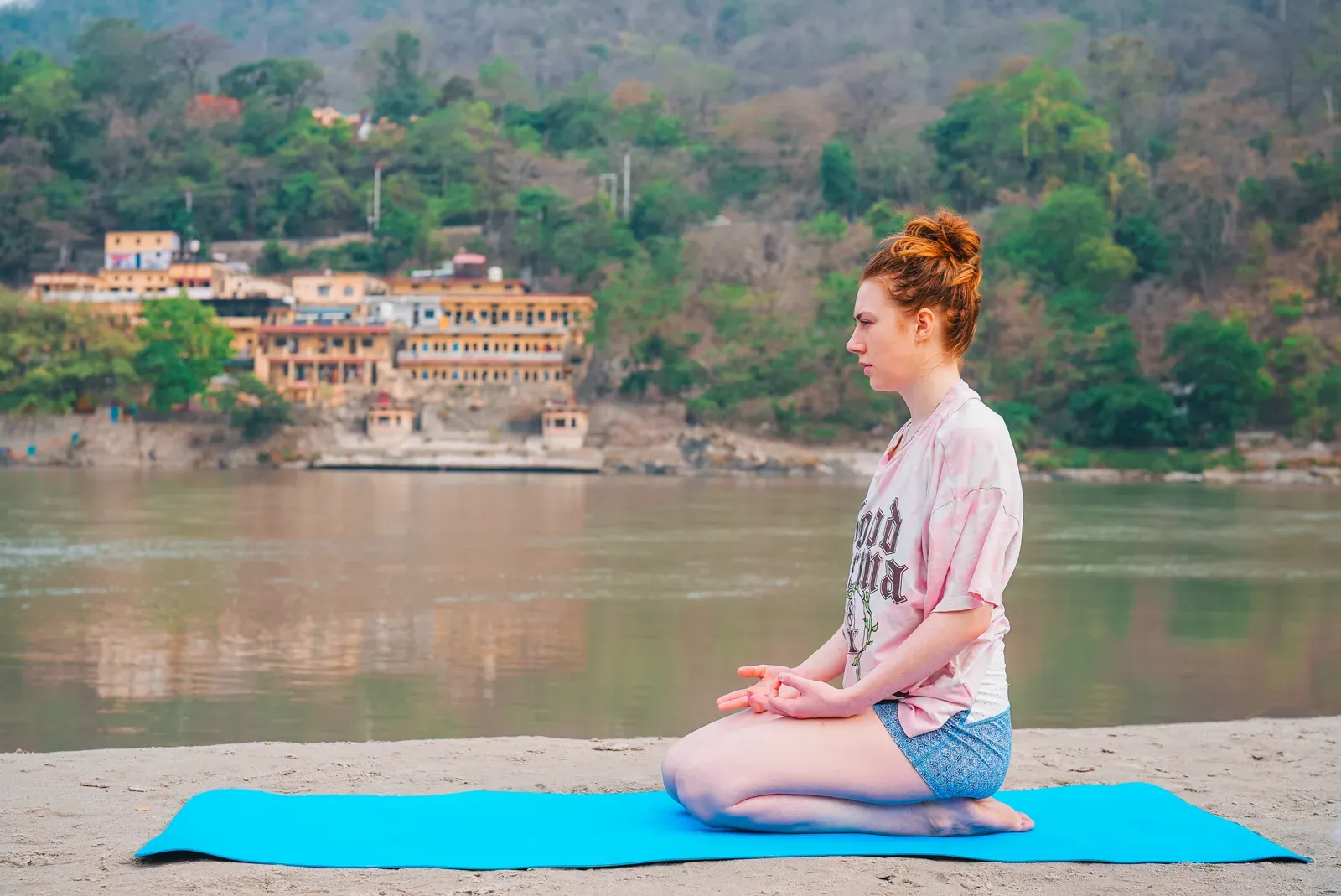
Virasana, also known as Hero Pose, is a foundational yoga asana that holds significant importance in various yoga practices. This seated posture is revered for its ability to provide numerous physical, mental, and emotional benefits to practitioners of all levels.
#Understanding the Origins of Virasana
Virasana, with its ancient roots entrenched in traditional yoga literature, finds its origin in the practices of Hatha Yoga. This timeless posture is intricately woven into the fabric of yogic teachings, revered for its multifaceted benefits. Described as a cornerstone pose within the Hatha Yoga tradition, Virasana serves as a catalyst for cultivating strength, stability, and flexibility in both the legs and spine. Through its systematic practice, practitioners embark on a journey of self-discovery, harnessing the inherent power of the body and mind. As one of the fundamental asanas, Virasana exemplifies the holistic approach of yoga, fostering harmony between physical prowess and inner tranquility. Its inclusion in traditional yoga texts underscores its significance as a foundational practice, guiding aspirants towards optimal health and spiritual fulfillment.
#Benefits of Practicing Virasana
#Physical Benefits
Virasana, or Hero Pose, is renowned for its ability to stretch and strengthen the muscles of the thighs, knees, and ankles, offering immense benefits to individuals grappling with tight hips or knee discomfort. Beyond its physical advantages, this pose aids in improving digestion and circulation, fostering overall wellness. Additionally, by alleviating tension in the legs and lower back, Virasana provides much-needed relief from the strains of modern-day sedentary lifestyles. Its therapeutic effects extend beyond the mat, promoting vitality and resilience in daily activities.
#Mental and Emotional Benefits
Virasana's tranquil and stabilizing essence serves as a potent antidote to stress, anxiety, and fatigue. Through its calming influence, this pose facilitates a profound sense of relaxation and introspection, guiding practitioners towards inner peace and mental clarity. By providing a sanctuary for the mind to unwind, Virasana empowers individuals to navigate life's challenges with equanimity and grace. Its transformative power extends beyond the physical realm, nurturing emotional well-being and fostering a deeper connection to oneself and the world.
#How to Perform Virasana Correctly
#Step-by-Step Guide
- Begin by kneeling on the floor with your knees together and your feet slightly wider than hip-width apart.
- Lower your buttocks to sit back between your heels, ensuring that your big toes touch and your heels are pointing directly back.
- Rest your hands on your thighs or in your lap, with palms facing down for grounding or facing up for openness.
- Lengthen your spine upwards, elongating the crown of your head towards the ceiling.
- Soften your shoulders away from your ears and relax your facial muscles.
- Hold the pose for 1-5 minutes, focusing on steady breath and gentle expansion with each inhale and relaxation with each exhale.
#Modifications and Props
- If you experience discomfort in your knees or ankles, place a folded blanket or bolster between your buttocks and heels for support.
- For individuals with limited flexibility, sit on a block or cushion to elevate the hips and reduce strain on the knees.
#Precautions and Contraindications
While Virasana boasts a plethora of benefits, it's crucial to recognize that it may not be universally suitable. Individuals with knee or ankle injuries should exercise caution and refrain from practicing Virasana to prevent exacerbating existing discomfort or causing further injury. Similarly, those experiencing pain or discomfort during the posture should avoid pushing through it and instead opt for alternative poses that better accommodate their needs.
Additionally, pregnant individuals should approach Virasana with caution and seek guidance from a qualified healthcare professional before integrating it into their practice. By prioritizing safety and listening to the body's signals, practitioners can ensure a sustainable and enjoyable yoga experience while minimizing the risk of injury or discomfort.
#Incorporating Virasana into Your Yoga Practice
Virasana offers versatility in its application, serving as both a standalone pose and a complementary element within yoga sequences. Incorporating Virasana at the beginning or end of a yoga practice provides a grounding and centering effect, helping practitioners establish a sense of connection with the present moment. Its inclusion in sequences focusing on hip opening and flexibility enhances the overall efficacy of the practice, as it gently stretches and opens the hip flexors, thighs, and knees.
By seamlessly integrating Virasana into a yoga sequence, practitioners can optimize the benefits of this pose while exploring its synergistic relationship with other asanas. Whether used for introspection and reflection or as a precursor to deeper stretches, Virasana adds depth and dimension to the yoga experience, fostering a harmonious balance between body, mind, and spirit.
#Variations of Virasana
Virasana boasts a diverse range of variations tailored to accommodate varying levels of flexibility and mobility among practitioners. One popular variation is reclining Virasana, where individuals recline backwards from the seated position, allowing for a deeper stretch along the front of the body. Dynamic Virasana flows involve fluid movements that seamlessly transition between Virasana and other poses, enhancing flexibility and mobility through continuous motion.
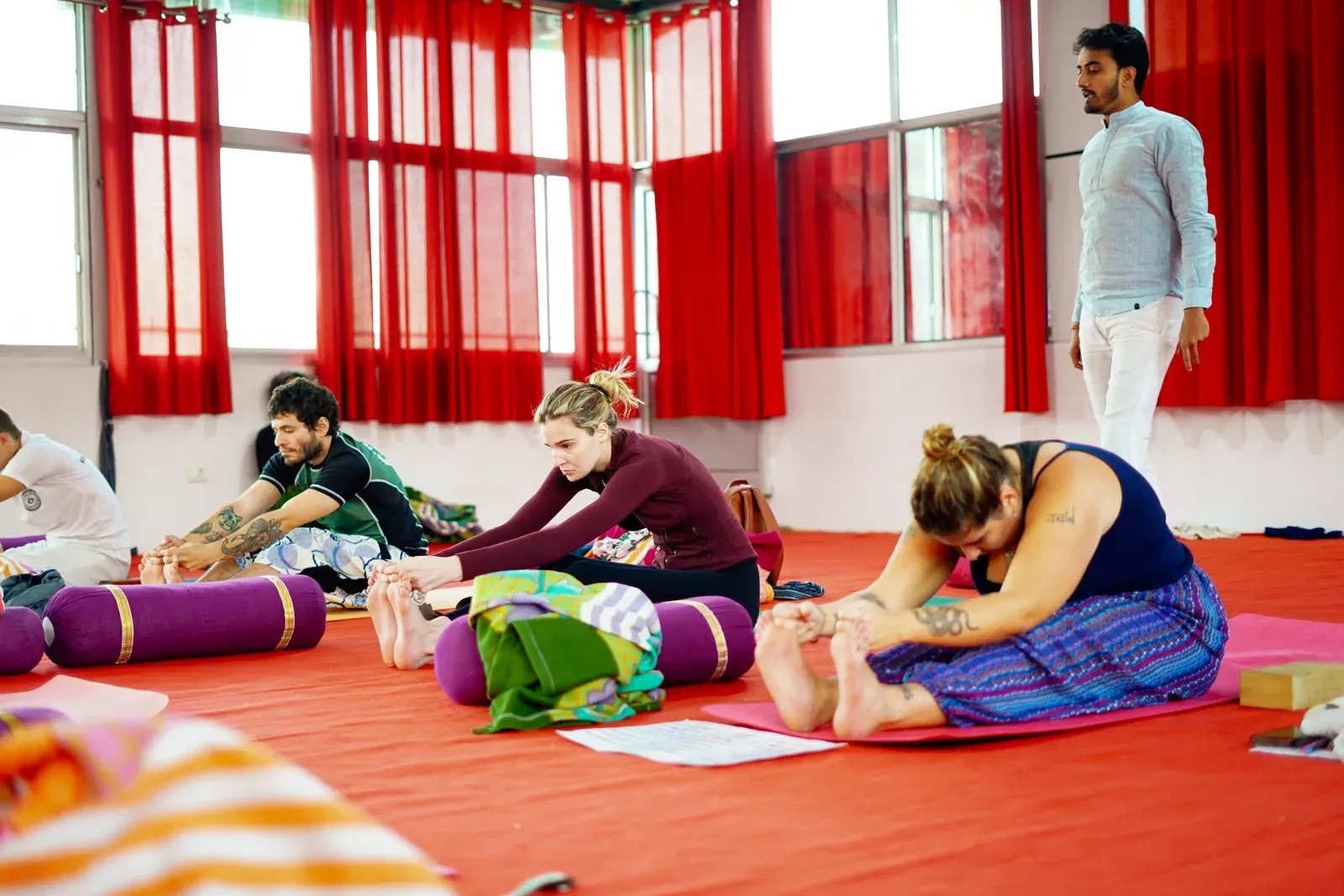
Another common variation is Virasana with a forward fold, wherein practitioners hinge forward from the hips while maintaining the seated posture, intensifying the stretch in the thighs and lower back. These variations offer practitioners the flexibility to adapt Virasana to their individual needs and preferences, facilitating a personalized yoga practice that honors the body's unique capabilities. Experimenting with different variations allows individuals to explore the full potential of Virasana while unlocking new dimensions of physical and mental well-being.
#Combining Virasana with Other Asanas
Virasana harmonizes seamlessly with an array of yoga poses, amplifying the depth and effectiveness of a yoga practice. Pairing Virasana with forward folds such as Paschimottanasana enhances the release of tension in the hamstrings and lower back, fostering a sense of ease and flexibility. When combined with backbends like Bhujangasana, Virasana encourages spinal extension and heart opening, promoting vitality and emotional well-being. Incorporating twists such as Ardha Matsyendrasana while seated in Virasana aids in detoxification and rejuvenation, stimulating the digestive organs and spinal mobility.
By experimenting with different combinations of poses, practitioners can craft a bespoke yoga sequence that addresses their specific needs and aspirations. Whether seeking relaxation, strength, or balance, exploring diverse pose pairings within the context of Virasana cultivates a holistic and invigorating yoga experience that nurtures body, mind, and spirit.
#Virasana for Meditation and Pranayama
Virasana emerges as an ideal foundation for meditation and pranayama practices, owing to its inherent qualities of stability and rootedness. The grounded nature of this posture establishes a firm base, enabling practitioners to sink deeply into relaxation and cultivate unwavering focus. By assuming a seated position with the spine erect, Virasana facilitates optimal alignment for effortless breath control and heightened awareness. As practitioners settle into the pose, they are enveloped in a sense of tranquility, allowing the mind to naturally quieten and the breath to flow freely.
This tranquil state fosters an intimate connection with the present moment, amplifying the benefits of mindfulness and breath awareness practices. Whether embarking on a journey of self-exploration through meditation or harnessing the transformative power of pranayama techniques, Virasana offers a sanctuary for inner reflection and spiritual growth, inviting practitioners to delve deeper into the essence of being.
#The Role of Virasana in Yoga Therapy
Within the realm of yoga therapy, Virasana emerges as a potent remedy for addressing a myriad of physical and emotional ailments. This versatile pose serves as a cornerstone in therapeutic interventions for conditions like sciatica, where it gently stretches the lower back and alleviates pressure on the sciatic nerve, providing much-needed relief. Additionally, Virasana's subtle yet profound impact on digestion aids in the management of digestive disorders, promoting healthy gastrointestinal function and alleviating discomfort.
Furthermore, its calming effect on the nervous system renders it invaluable in the treatment of anxiety, offering a sanctuary of serenity amidst life's storms. By harnessing the therapeutic potential of Virasana, individuals can embark on a holistic journey towards enhanced well-being and vitality, cultivating a harmonious balance between body, mind, and spirit that transcends the confines of conventional medicine.
#Historical and Cultural Significance of Virasana
Virasana, steeped in rich cultural symbolism, occupies a revered place in Eastern traditions, embodying virtues of courage, humility, and reverence. Across various cultures, this pose is intricately woven into mythological narratives, often associated with legendary figures whose heroic exploits mirror the inner journey of self-discovery and transformation. In Hindu mythology, Virasana is linked to tales of valor and righteousness, symbolizing the noble pursuit of dharma (righteousness) amidst adversity.
In Buddhist traditions, it represents the humility and reverence of spiritual seekers who embark on the path towards enlightenment. Through its cultural resonance, Virasana transcends mere physical practice, serving as a sacred conduit for embodying timeless ideals and virtues. As practitioners assume this posture, they honor the legacy of ancient wisdom and embark on a heroic quest of self-realization, embracing the transformative power of yoga to illuminate the path towards inner harmony and liberation.
#Conclusion
Virasana, or Hero Pose, stands as a testament to the transformative power of yoga practice. Whether you're seeking physical strength, mental clarity, or emotional balance, incorporating Virasana into your routine can lead to profound benefits for body, mind, and spirit.
#Frequently Asked Questions about Virasana
#Is Virasana suitable for beginners?
Yes, Virasana can be practiced by beginners with proper modifications and guidance from a qualified instructor.
#Can Virasana help with knee pain?
While Virasana can be beneficial for improving knee flexibility and strength, individuals with knee injuries or discomfort should approach the pose with caution and seek guidance from a healthcare professional.
#How long should I hold Virasana?
The duration of Virasana can vary depending on individual comfort and experience. Start with 1-2 minutes and gradually increase the duration as you become more accustomed to the pose.
#Are there any advanced variations of Virasana?
Yes, advanced practitioners may explore variations such as Virasana with a twist, Virasana in headstand, or Virasana with arm balances for added challenge and depth in their practice.
#Can Virasana help with digestion?
Yes, Virasana can aid digestion by gently compressing the abdomen and promoting blood flow to the digestive organs. Practicing Virasana after meals may help alleviate bloating and discomfort.