
#Introduction to Janu Sirsasana
Janu Sirsasana, commonly known as the Head-to-Knee Pose, is a fundamental yoga posture that offers a plethora of physical and mental benefits. This pose is often practiced in hatha and vinyasa yoga sequences due to its ability to stretch the hamstrings, groins, and spine, while also calming the mind.
#Benefits of Janu Sirsasana
Physical Benefits
Janu Sirsasana provides several physical benefits, including:
- Stretching the hamstrings and calves, improving flexibility in the legs.
- Stimulating the abdominal organs, aiding in digestion and relieving bloating.
- Relieving tension in the spine and back muscles, promoting better posture.
- Alleviating menstrual discomfort and symptoms of menopause.
Mental Benefits
In addition to its physical advantages, Janu Sirsasana offers numerous mental benefits, such as:
- Calming the mind and reducing stress and anxiety.
- Improving focus and concentration by encouraging mindfulness.
- Stimulating introspection and self-awareness, fostering emotional well-being.
#Step-by-Step Guide to Janu Sirsasana
Preparation
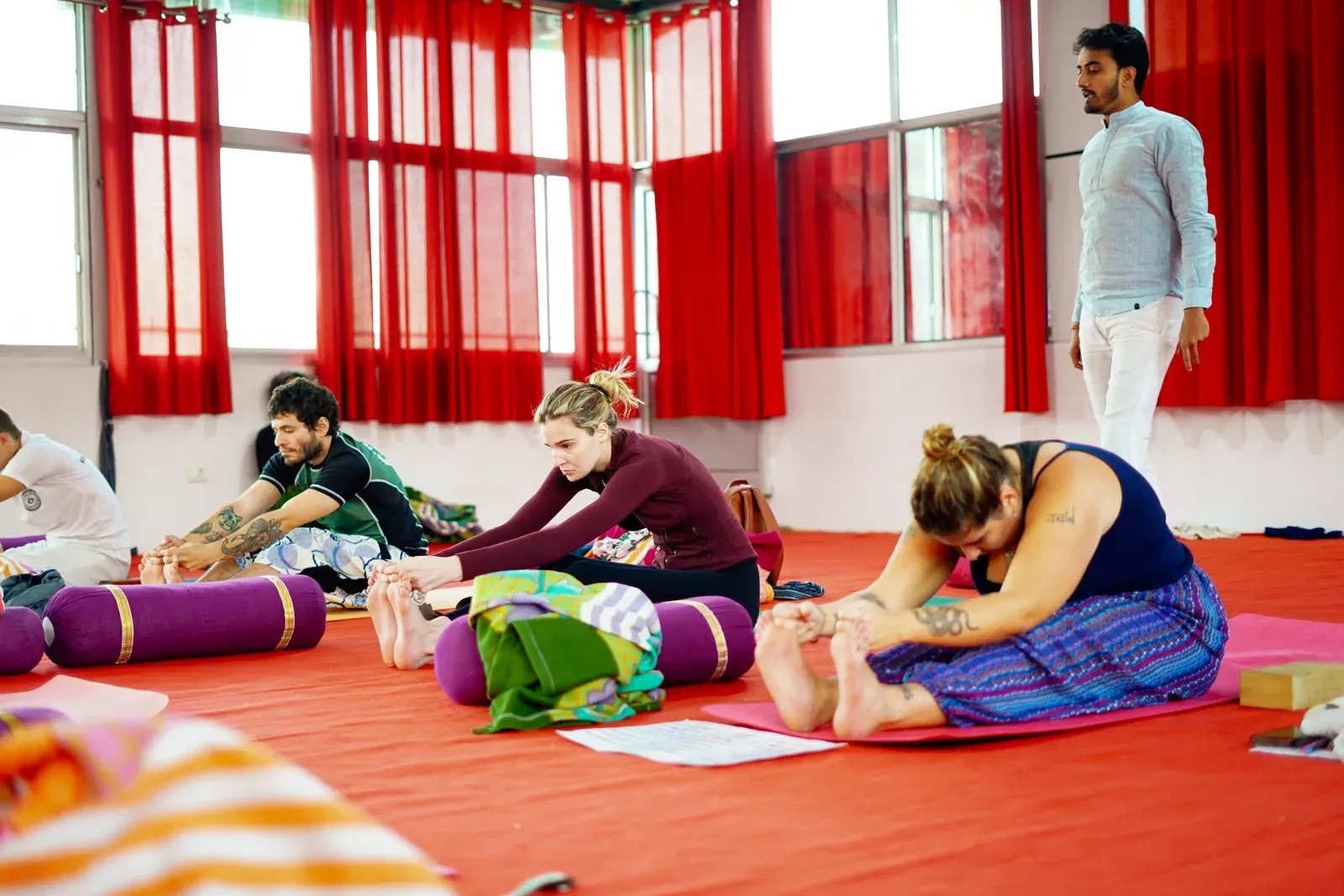
- Sit on the floor with your legs extended straight in front of you.
- Bend your right knee and bring the sole of your right foot to rest against your left inner thigh.
- Ensure that your left leg remains extended and your foot flexed.
- Align your torso to face forward, keeping your spine elongated and shoulders relaxed.
Execution
- Inhale deeply, lengthening your spine.
- Exhale as you hinge at the hips, folding forward over your left leg.
- Reach your hands toward your left foot or shin, maintaining a flat back.
- Allow your head to drop toward your knee, keeping your neck relaxed.
- Hold the pose for 30-60 seconds, breathing deeply and evenly.
- To release, inhale and slowly rise back to an upright position.
#Common Mistakes to Avoid
- Overarching the Lower Back: Avoid excessive curvature in the lower spine by engaging the core muscles and lengthening through the crown of the head.
- Forcing the Stretch: Practice patience and gentleness, allowing the body to gradually deepen into the pose without forcing or straining.
- Rounding the Upper Back: Maintain length in the spine by drawing the shoulder blades down the back and opening through the chest.
#Variations of Janu Sirsasana
- Half Janu Sirsasana: Bend the extended leg and place the foot against the inner thigh of the opposite leg for a modified version of the pose.
- Bound Janu Sirsasana: Reach around the extended foot with the same-side hand, clasping the wrist or fingers for a deeper stretch.
- Revolved Janu Sirsasana: Twist your torso toward the bent knee, placing the opposite elbow on the outside of the thigh for a spinal twist.
#When to Avoid Janu Sirsasana
If you have recent or chronic knee injuries, severe hamstring or groin strains, high blood pressure, vertigo, or are in the later stages of pregnancy, it's advisable to avoid practicing Janu Sirsasana.
For individuals with knee injuries or strains, the bending motion of the pose can exacerbate discomfort and hinder the healing process. Severe hamstring or groin strains may be aggravated by the deep stretching involved in Janu Sirsasana, potentially leading to further injury.
Moreover, individuals with high blood pressure or vertigo should refrain from poses that involve forward bending, as it can increase blood pressure and exacerbate dizziness. Lastly, pregnant individuals beyond the first trimester should avoid deep forward bends to prevent strain on the abdomen and potential complications. Always consult with a healthcare professional before starting any new exercise routine, especially during pregnancy or if you have existing health conditions.
#Conclusion
Janu Sirsasana, the Head-to-Knee Pose, is a valuable addition to any yoga practice, offering a myriad of physical and mental benefits. By practicing this pose mindfully and with proper alignment, individuals can experience improved flexibility, reduced stress, and enhanced overall well-being.
#Unique FAQs
- Is Janu Sirsasana suitable for beginners? Yes, beginners can practice Janu Sirsasana with modifications and proper guidance from a certified yoga instructor.
- How often should I practice Janu Sirsasana? Aim to practice Janu Sirsasana at least 3-4 times per week to experience noticeable benefits.
- Can Janu Sirsasana help with back pain? Yes, Janu Sirsasana can help alleviate back pain by stretching and strengthening the muscles along the spine.
- Is it normal to feel discomfort in Janu Sirsasana? Mild discomfort or stretching sensations are normal, but sharp pain should be avoided. Listen to your body and modify the pose as needed.
- Can Janu Sirsasana improve digestion? Yes, Janu Sirsasana stimulates the abdominal organs, promoting better digestion and relieving bloating.