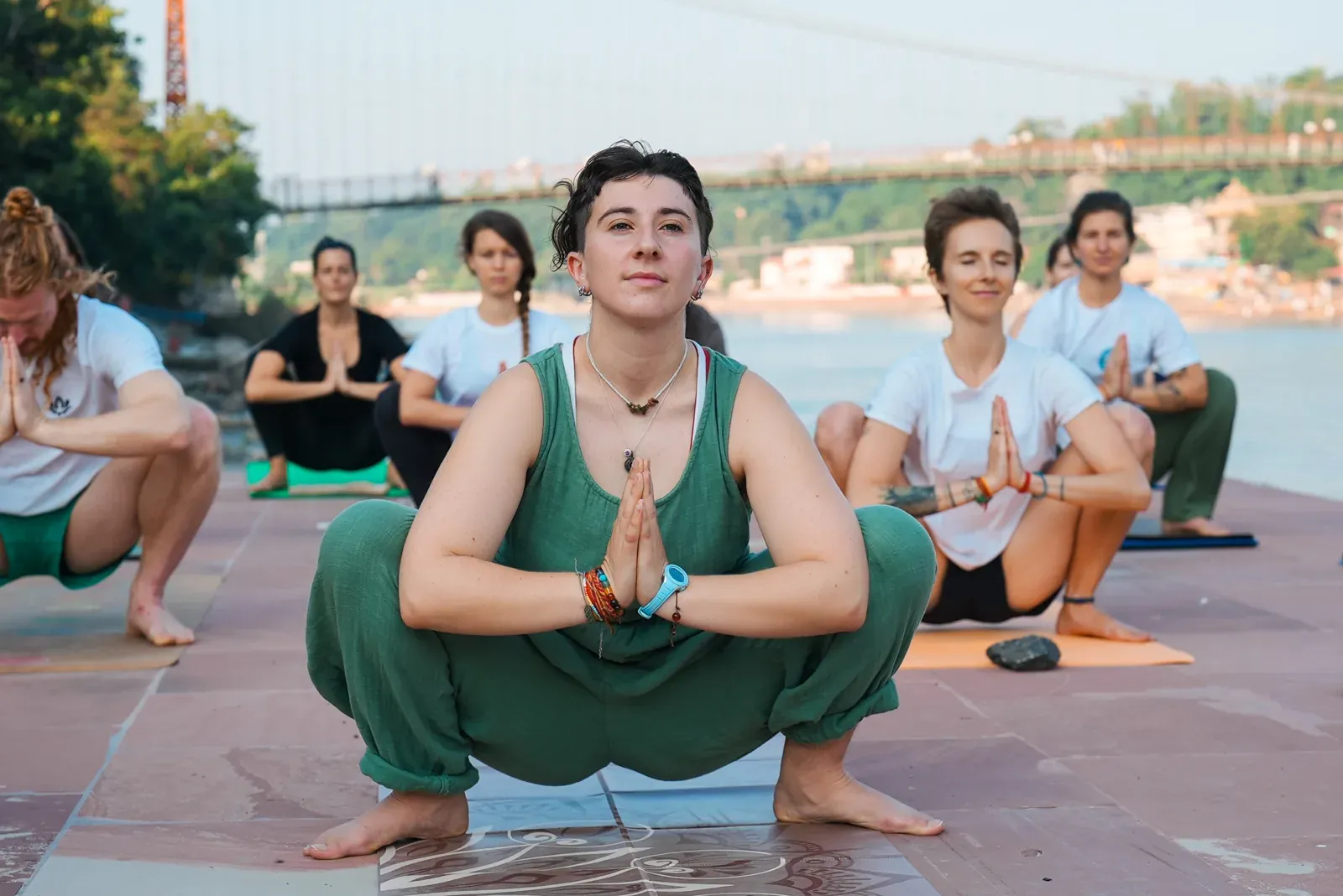

Malasana, also known as the Garland Pose or the Yoga Squat, is a fundamental yoga asana with a rich history and numerous health benefits. Originating from ancient yoga practices, Malasana holds significant cultural importance and is widely practiced today for its physical and mental benefits.
#Origin and History
Malasana, originating from ancient India, embodies a natural seated posture deeply rooted in the practice of meditation and prayer. Its name stems from Sanskrit, with "mala" signifying "garland" and "asana" denoting "pose" or "posture." Historically, Malasana served as a comfortable and stable position for spiritual activities, facilitating a grounded connection with the self and the divine.
It embodies a harmonious blend of physical ease and mental focus, fostering a sense of tranquility and introspection. Over time, Malasana has transcended its origins, becoming a popular yoga asana celebrated for its ability to open the hips, stretch the lower back, and promote overall flexibility and strength. Its ancient roots remain a testament to the enduring wisdom and practicality of traditional Indian practices in enhancing both physical well-being and spiritual awareness.
#Cultural Significance
Beyond its practical application as a resting posture, Malasana holds symbolic importance in yoga philosophy, particularly in its association with the root chakra, or Muladhara. This energy center is linked with concepts of grounding, stability, and a feeling of security. Engaging in Malasana is viewed as a means to activate and balance the Muladhara chakra, fostering a deeper connection with the earth and promoting a sense of rootedness within oneself.
By assuming this posture, practitioners aim to cultivate a strong foundation both physically and energetically, allowing them to feel more centered and secure in their being. Malasana thus serves as a powerful tool for grounding the mind, body, and spirit, facilitating a sense of stability and balance that resonates throughout one's yoga practice and daily life.
#Health Benefits
The practice of Malasana offers a plethora of health benefits for both the body and mind. Some of the key benefits include:
#Strengthens Lower Body
Malasana is a potent lower body strengthener, targeting key muscles such as the quadriceps, hamstrings, and glutes. Sustaining the squat position in Malasana not only activates these muscle groups but also fortifies them over time. This engagement fosters enhanced stability and endurance, bolstering the body's ability to support itself in various physical activities. Moreover, the controlled engagement of these muscles in Malasana contributes to improved overall lower body strength and flexibility, making it a valuable addition to any fitness regimen seeking to develop functional strength and mobility in the legs and hips.
#Improves Digestion
Malasana's compression of the abdomen not only stimulates digestion but also aids in relieving common digestive discomforts like bloating and constipation. Additionally, the pose facilitates a gentle massage of the internal organs, supporting detoxification and promoting optimal organ function. This combination of benefits makes Malasana a valuable posture for improving digestive health and overall well-being. By incorporating Malasana into a regular yoga practice, individuals can enhance their digestive processes, alleviate discomfort, and foster a healthier relationship with their bodies.
#Opens Hips and Groin
Regularly practicing Malasana contributes to enhanced flexibility in the hips and groin, offering significant benefits for those with sedentary lifestyles or prolonged sitting habits. The deep squat position of Malasana stretches and opens the hip muscles, releasing tension accumulated from prolonged periods of inactivity. This increased flexibility not only improves overall mobility but also reduces the risk of hip-related issues and discomfort. By incorporating Malasana into their routine, individuals can counteract the negative effects of sedentary behavior, promoting greater comfort and ease in everyday movements.
#How to Perform Malasana
#Step-by-step Guide
- Preparing for the Pose: Start by standing with your feet slightly wider than hip-width apart. Rotate your toes slightly outward.
- Executing the Pose: Lower your body into a deep squat, keeping your heels on the ground if possible. Bring your palms together at your heart center in a prayer position.
- Maintaining Proper Form: Keep your spine long and straight, with your chest lifted and your gaze forward. Press your elbows gently against your inner thighs to open the hips further.
#Variations of Malasana
#Hands-free Malasana
To add a challenge, extend the arms forward parallel to the ground in Malasana, palms facing down. This variation heightens the activation of core and upper body muscles, demanding greater stability and strength. By extending the arms, the body must work harder to maintain balance and alignment, enhancing overall muscular engagement. This variation not only strengthens the core but also tones the shoulders, arms, and upper back. Incorporating this advanced variation into Malasana practice offers a comprehensive workout, promoting both physical strength and mental focus.
#Supported Malasana with Props
If keeping your heels grounded in Malasana is challenging, try placing a yoga block or folded blanket underneath them. This simple adjustment offers added support and stability, making the pose more accessible. Elevating the heels reduces the demand on ankle flexibility and helps maintain balance, allowing you to focus on deepening the squat and opening the hips. By providing a stable foundation, the block or blanket enables you to comfortably hold the posture for longer periods, facilitating gradual progress in hip flexibility and overall comfort in the pose.
#Malasana with a Twist
From the squat position in Malasana, add a spinal twist by placing one hand on the ground and reaching the opposite arm towards the ceiling. This variation intensifies the stretch in the back and shoulders while engaging the core for stability. The twisting motion enhances spinal mobility and flexibility, releasing tension accumulated from daily activities. By incorporating this variation into your practice, you deepen the stretch in key areas of the body, promoting increased flexibility and mobility. Additionally, the twist stimulates circulation and detoxification, offering a refreshing and rejuvenating experience for both body and mind.
#Common Mistakes in Malasana
#Rounded Back
Maintain proper alignment in Malasana by avoiding rounding the spine, which can strain the lower back and compromise the pose's benefits. Instead, prioritize lengthening the spine and keeping the chest open. This alignment ensures optimal engagement of the core muscles and encourages a deeper hip stretch. By focusing on spinal elongation and chest openness, you cultivate better posture and alignment, reducing the risk of discomfort or injury. Emphasizing these cues allows you to fully experience the benefits of Malasana, promoting greater strength, flexibility, and overall well-being in your yoga practice.
#Feet Alignment
Maintain proper foot alignment in Malasana by ensuring that your feet are parallel to each other and pointing slightly outward, with the knees tracking in line with the toes. Misalignment of the feet can result in discomfort or instability in the pose, compromising its effectiveness and safety. By aligning the feet correctly, you create a strong foundation, distributing weight evenly and reducing strain on the knees and ankles. This alignment also facilitates a deeper hip opening and promotes better balance and stability throughout the posture, allowing you to fully experience the benefits of Malasana with ease and comfort.
#Strain on Knees
When practicing Malasana, it's crucial to listen to your body. If you feel any discomfort or strain in your knees, take it as a signal to adjust your posture. You can alleviate pressure by placing a folded blanket or cushion under your heels to provide support. Alternatively, modify the depth of your squat to a level that feels comfortable for your knees. Prioritizing proper alignment and respecting your body's limitations ensures a safe and effective yoga practice. Remember, the goal is not to push through pain but to cultivate mindfulness and awareness in every movement.
#Precautions and Contraindications
While Malasana offers numerous benefits, it may not be suitable for everyone. Individuals with the following conditions should approach the pose with caution or avoid it altogether:
#Pregnancy
Expectant individuals should seek guidance from a healthcare provider before attempting Malasana due to potential pressure on the abdomen and pelvic region. Pregnancy alters the body's dynamics, making certain yoga poses, including Malasana, potentially unsuitable. Consulting with a healthcare professional ensures personalized advice considering individual circumstances. They can provide insights on safe modifications or recommend alternative practices suitable for prenatal care. Prioritizing the well-being of both mother and baby is paramount, fostering a mindful and informed approach to yoga during pregnancy.
#Knee or Ankle Injuries
Individuals with knee or ankle injuries should exercise caution when practicing Malasana or consider modifying the pose to prevent worsening existing injuries. Putting stress on compromised joints can exacerbate discomfort or lead to further damage. It's advisable to consult with a healthcare provider or a qualified yoga instructor to determine suitable modifications or alternative poses that alleviate strain on injured areas. Prioritizing safety and listening to the body's signals are essential to prevent setbacks and promote healing. It's better to proceed mindfully and with care rather than risk aggravating injuries through improper practice.
#Recent Surgeries
Individuals recovering from recent surgeries, especially those involving the hips, knees, or ankles, should refrain from practicing Malasana until they have fully healed and received clearance from a healthcare professional. Post-surgery, the body requires time to recuperate, and certain yoga poses like Malasana may place undue strain on healing tissues or compromise the surgical site's integrity. Prioritizing the advice of medical experts ensures a safe and effective recovery process, reducing the risk of complications or setbacks. Patience and prudence in resuming physical activities are crucial for promoting optimal healing and restoring mobility without compromising surgical outcomes.
#Conclusion
Malasana, the deep squat yoga pose, offers a myriad of physical, mental, and spiritual benefits. From strengthening the lower body to improving digestion and opening the hips, this ancient asana has much to offer practitioners of all levels. By incorporating Malasana into your yoga practice, you can experience increased flexibility, strength, and a deeper connection to your body and breath.
#FAQs
#Is Malasana suitable for beginners?
Yes, Malasana can be modified to suit beginners by using props or adjusting the depth of the squat.
#How long should I hold Malasana?
Aim to hold Malasana for 30 seconds to 1 minute, gradually increasing the duration as you build strength and flexibility.
#Can Malasana help with lower back pain?
Yes, Malasana can help alleviate lower back pain by strengthening the muscles that support the spine and improving overall posture.
#Are there any variations of Malasana for advanced practitioners?
Advanced practitioners can explore variations such as hands-free Malasana or adding a twist to deepen the pose.