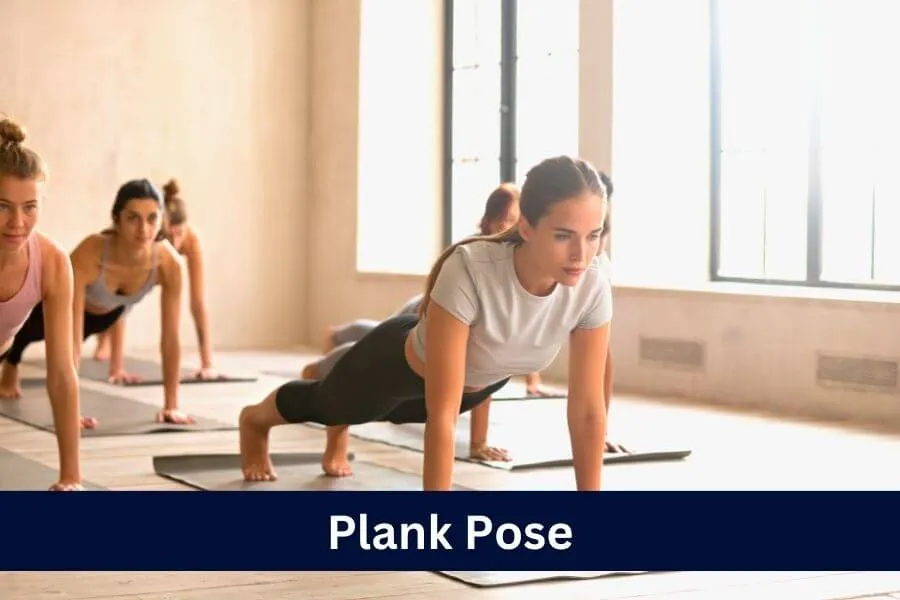
The Plank Pose — known as Phalakasana in Sanskrit — is one of the most effective full-body yoga postures for building core strength, stability and stamina. It looks simple, but holding a clean plank engages your abdominals, arms, shoulders, back and legs all at once.
This guide covers everything you need: the meaning of the Sanskrit name, the full Phalakasana benefits, a step-by-step sequence, preparatory poses, variations and the most common mistakes to avoid.
#What Is Phalakasana? Meaning of the Sanskrit Name
Phalakasana is the Sanskrit name for Plank Pose. The word comes from two roots: phalaka, meaning "plank" or "flat board", and asana, meaning "pose" or "posture". Put together, Phalakasana literally means "plank pose" — the body held straight and firm like a wooden board.
It is pronounced phah-lah-KAH-sa-na. In modern yoga it is often called High Plank to distinguish it from the forearm (low) plank, and it is the foundational shape behind Chaturanga Dandasana and many arm balances.
#Phalakasana Benefits
Practised regularly, this asana delivers a wide range of physical benefits. The main Phalakasana benefits include:
- Core strength: it deeply engages the abdominals, obliques and deep stabilising muscles, building a strong, supportive core.
- Stronger arms, wrists and shoulders: the pose builds upper-body endurance and trains the shoulders to stay stacked and stable under load.
- Better posture: a stronger core and back help counteract the slump of long hours spent sitting.
- Spinal support: it strengthens the muscles running along the spine and protects the lower back.
- Improved balance and body awareness: plank is key preparatory strength for arm balances such as Bakasana (Crow Pose).
- Toned legs and glutes: the thighs and glutes stay active to keep the body in one firm line.
- Boosted stamina and metabolism: holding the pose raises the heart rate and builds whole-body endurance.
Because it asks the whole body to work together, Phalakasana is a staple in both Vinyasa flows and Hatha yoga classes.
#How to Do Plank Pose (Phalakasana): Step-by-Step Sequence
Follow this step-by-step sequence to move into the pose with safe alignment:
- Start in tabletop. Come onto your hands and knees with your wrists directly under your shoulders and knees under your hips.
- Spread the hands. Press evenly through the whole palm and the base of every finger so the wrists stay protected.
- Step the feet back. Tuck your toes and extend both legs straight behind you, coming onto the balls of the feet.
- Stack the shoulders. Check that your shoulders are stacked directly over your wrists and the body forms one straight line from head to heels.
- Broaden the shoulder blades. Gently draw each shoulder blade apart and down the back so the chest stays broad and the upper back does not collapse.
- Engage the core. Draw the navel toward the spine, firm the thighs and lightly tuck the tailbone so the hips neither sag nor pike up.
- Hold and breathe. Keep the gaze slightly forward and the neck long, breathing steadily for five to ten breaths. Release to the knees and repeat for three to five rounds.
#Preparatory Poses
Warming up first makes the pose safer and stronger. Useful preparatory poses include:
- Adho Mukha Svanasana (Downward-Facing Dog) — opens the shoulders and hamstrings.
- Marjaryasana–Bitilasana (Cat–Cow) — warms the spine and wrists.
- Balasana (Child's Pose) — releases the back between rounds.
- Wrist circles and gentle stretches — prepare the wrists for weight-bearing.
#Variations and Modifications
- Forearm Plank: lower onto the forearms with elbows under the shoulders — gentler on the wrists.
- Knee Plank: lower the knees to the mat — ideal for beginners building strength.
- Side Plank (Vasisthasana): stack the feet and balance on one hand to challenge the obliques.
- Towards arm balances: once plank feels stable, it becomes the foundation for arm balances like Crow Pose.
#Common Mistakes to Avoid
- Letting the hips sag toward the floor or pike up toward the ceiling.
- Collapsing the chest between the shoulder blades.
- Holding the breath instead of breathing steadily.
- Dropping the head or craning the neck up.
- Placing the hands too far forward instead of keeping the shoulders stacked over the wrists.
#How Long Should You Hold Phalakasana?
Beginners can start with 15–30 seconds (about five breaths) and build up gradually. With practice, holding for one to two minutes with clean alignment is an excellent goal. Quality always beats duration — come down the moment your form breaks down.
#FAQ
#What are the benefits of Phalakasana?
The main benefits are a stronger core, arms, shoulders and wrists, improved posture, a more stable spine, better balance and greater overall stamina. It also prepares the body for advanced arm balances.
#What is the Sanskrit name for plank pose?
The Sanskrit name for plank pose is Phalakasana, from "phalaka" (plank or board) and "asana" (pose).
#What does Phalakasana mean?
Phalakasana means "plank pose" — the body is held straight and firm like a flat wooden plank.
#How long should you hold plank pose?
Beginners should hold for 15–30 seconds and progress toward one to two minutes with good alignment. Always prioritise form over time.
#Is plank a yoga pose or an exercise?
Plank is both. As a yoga asana it is called Phalakasana and is used in Hatha and Vinyasa sequences to build strength and steadiness.
Want to learn asanas like Phalakasana with correct alignment from experienced teachers? Mimamsa Yogshala is a Yoga Alliance accredited school in Rishikesh. Our 200-Hour Yoga Teacher Training is the perfect entry point to a professional yoga career. Join a future batch or call us at +91 8859221330.