
#Introduction to Standing Meditation
Standing meditation, also known as Zhan Zhuang in Chinese, is a form of mindfulness practice that involves standing in a relaxed yet upright position. Originating from ancient martial arts traditions, standing meditation focuses on cultivating inner stillness, strength, and awareness.
In meditation, posture plays a crucial role in facilitating a deeper connection between the mind, body, and spirit. Unlike traditional sitting meditation, standing meditation offers a unique approach to mindfulness that harnesses the power of groundedness and stability.
#Benefits of Standing Meditation
#Physical Benefits
Standing meditation strengthens the muscles, improves posture, and enhances balance and coordination. By maintaining a stable stance for an extended period, practitioners develop greater physical endurance and resilience.
#Mental Benefits
The practice of standing meditation helps calm the mind, reduce stress, and enhance mental clarity. It fosters a sense of inner peace and tranquility, promoting overall emotional well-being.
#Emotional Benefits
Standing meditation cultivates emotional resilience and equanimity, enabling practitioners to better cope with life's challenges. It fosters a deeper sense of self-awareness and acceptance, leading to greater emotional stability and balance.
#Spiritual Benefits
Through standing meditation, individuals can deepen their spiritual connection and explore the depths of their inner selves. It offers a pathway to spiritual growth, self-discovery, and awakening.
#Techniques of Standing Meditation
#Posture
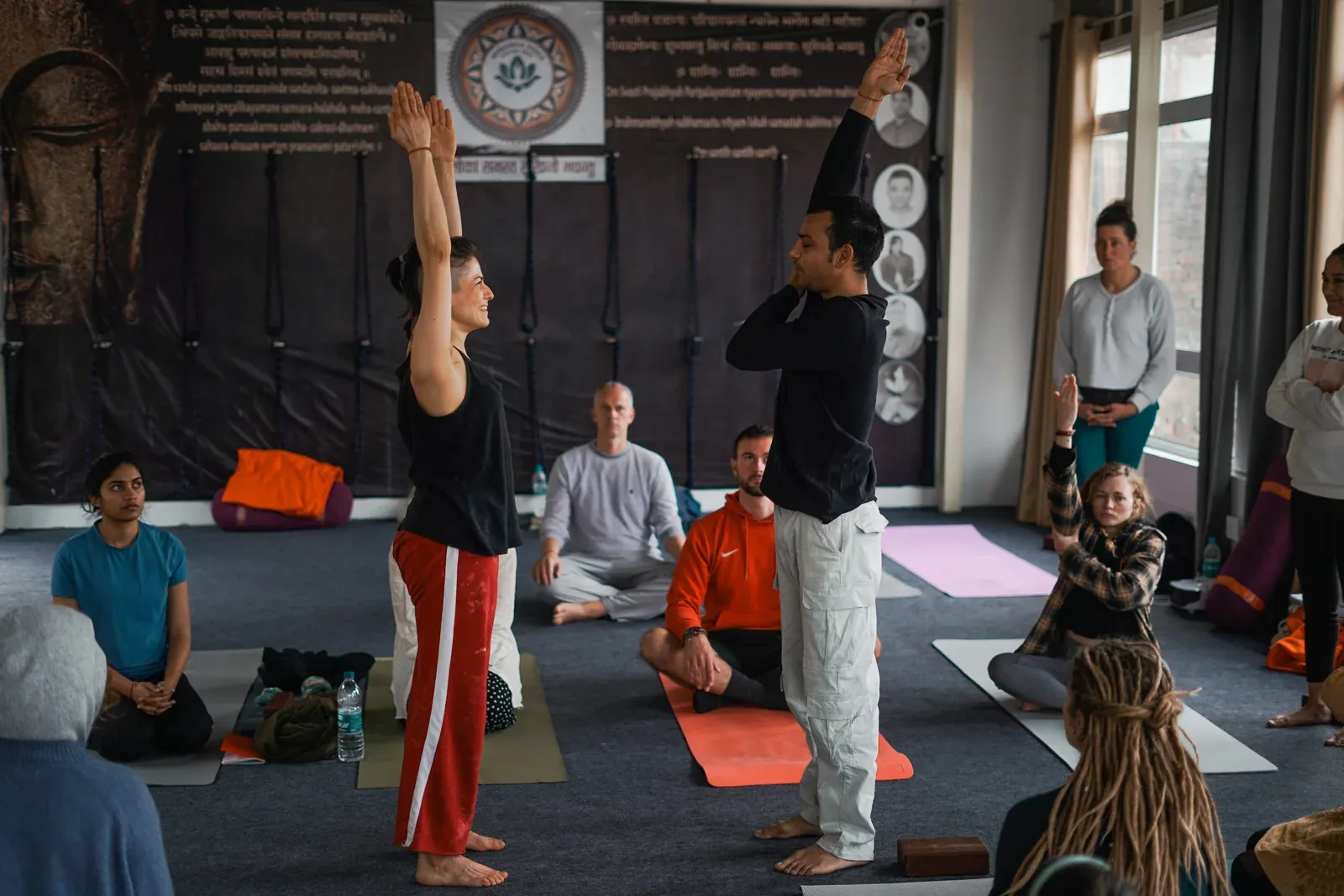
Maintaining proper posture is essential in standing meditation. Stand with feet shoulder-width apart, knees slightly bent, and spine straight but relaxed. Keep the head aligned with the spine and shoulders relaxed.
#Breathing
Focus on deep, diaphragmatic breathing, inhaling through the nose and exhaling through the mouth. Let the breath flow naturally, filling the body with oxygen and energy.
#Focus and Awareness
Direct your attention inward, focusing on the sensations within the body and the rhythm of your breath. Cultivate a state of mindful awareness, letting go of distractions and mental chatter.
#Getting Started with Standing Meditation
#Finding the Right Location
Choose a quiet and peaceful environment for your practice, free from distractions and interruptions. Create a sacred space where you can fully immerse yourself in the present moment.
#Setting Intentions
Before beginning your practice, set clear intentions for what you hope to achieve. Whether it's stress relief, increased energy, or spiritual growth, clarify your goals and aspirations.
#Duration and Frequency
Start with short sessions of standing meditation, gradually increasing the duration as you build strength and endurance. Aim for consistency in your practice, dedicating time each day to cultivate mindfulness.
#Common Mistakes to Avoid
#Poor Posture
Avoid slouching or leaning forward during standing meditation. Maintain a strong and stable posture to maximize the benefits of the practice.
#Impatience
Be patient and gentle with yourself as you explore standing meditation. Avoid rushing the process and allow yourself time to fully experience each moment.
#Lack of Consistency
Consistency is key to reaping the rewards of standing meditation. Make it a regular part of your routine, committing to practice even when you don't feel like it.
#Tips for Enhancing Your Practice
#Gradual Progression
Take a gradual approach to your standing meditation practice, gradually increasing the duration and intensity over time. Listen to your body and adjust accordingly.
#Incorporating Movement
Experiment with gentle movements or stretches to complement your standing meditation practice. Explore tai chi or qigong exercises to enhance flexibility and flow.
#Seeking Guidance if Needed
If you're new to standing meditation or struggling with certain aspects of the practice, don't hesitate to seek guidance from a qualified teacher or instructor.
#Conclusion
Standing meditation offers a myriad of benefits for the mind, body, and spirit. By incorporating this ancient mindfulness practice into your daily routine, you can cultivate greater awareness, resilience, and inner harmony. Whether you're seeking stress relief, improved health, or spiritual growth, standing meditation provides a powerful tool for transformation and self-discovery.
#FAQs (Frequently Asked Questions)
#Is standing meditation suitable for beginners?
Yes, standing meditation is suitable for practitioners of all levels, including beginners. Start with short sessions and gradually increase the duration as you become more comfortable with the practice.
#Can standing meditation help reduce stress?
Absolutely! Standing meditation is known for its stress-relieving benefits, helping to calm the mind and promote relaxation.
#How long should I practice standing meditation each day?
It's recommended to start with 5-10 minutes per day and gradually increase the duration as you build strength and endurance.
#Do I need any special equipment for standing meditation?
No special equipment is required for standing meditation. All you need is a quiet space and a willingness to connect with yourself.
#Can standing meditation improve my posture?
Yes, standing meditation can improve posture by strengthening the muscles that support the spine and promoting proper alignment.