
#Introduction to SUP Yoga
Stand-Up Paddleboard (SUP) Yoga, often abbreviated as SUP Yoga, is a fusion of traditional yoga and stand-up paddleboarding. It involves practicing yoga poses on a paddleboard while floating on water, usually a calm lake, river, or ocean. SUP Yoga offers a unique and serene way to connect with nature while enhancing the benefits of yoga.
#History of SUP Yoga
SUP Yoga emerged in the early 2000s in coastal areas like Hawaii and California, where paddleboarding was already popular. It was initially seen as a playful experiment by yoga enthusiasts seeking new challenges and ways to deepen their practice. Over time, it gained momentum and spread worldwide, becoming a staple in many coastal communities and yoga studios.
#Benefits of SUP Yoga
#Physical Benefits
Practicing yoga on a paddleboard engages various muscle groups, especially the core, as the body works to maintain balance on the unstable surface of the water. This results in improved strength, stability, and flexibility. Additionally, the gentle movement of the water provides a low-impact workout, reducing strain on joints.
#Mental Benefits
The serene environment of the water combined with the mindfulness of yoga creates a deeply calming experience. SUP Yoga encourages practitioners to focus on the present moment, letting go of distractions and connecting with the natural world around them. This can lead to reduced stress, increased mental clarity, and a sense of inner peace.
#Equipment Needed for SUP Yoga
To practice SUP Yoga, you'll need a few essential pieces of equipment:
- Paddleboard: Choose a stable and wide paddleboard specifically designed for yoga, with a soft, non-slip surface.
- Paddle: Opt for an adjustable paddle that suits your height and paddling style.
- Personal Flotation Device (PFD): Safety first! Wear a PFD, especially if you're practicing in deep water or unfamiliar conditions.
- Anchor (optional): To prevent drifting, consider using an anchor to secure your paddleboard in place during your practice.
#How to Get Started with SUP Yoga
#Finding a Suitable Location
Look for calm, flat water with minimal boat traffic and no strong currents or winds. Ideal locations include lakes, ponds, sheltered bays, and slow-moving rivers.
#Choosing the Right Board
Select a paddleboard specifically designed for yoga, with ample width and stability. Inflatable boards are popular for their portability and ease of storage, but rigid boards offer superior stability.
#Safety Precautions
Before heading out on the water, ensure you're familiar with basic paddling techniques and safety procedures. Always wear a leash to keep your board close in case of falls, and be mindful of weather conditions and water hazards.
#Basic SUP Yoga Poses
#Mountain Pose
Stand tall at the center of your board, feet hip-width apart, and arms by your sides. Engage your core and lengthen through the spine, finding balance and stability.
#Downward-Facing Dog
From a standing position, hinge at the hips and walk your hands forward until your body forms an inverted V shape. Press your palms into the board and lengthen through the spine, relaxing your head and neck.
#Warrior Pose
Step one foot back and one foot forward into a wide stance, bending your front knee and extending your arms overhead. Engage your core and sink deeper into the pose, feeling strength and stability through your legs.
#Tree Pose
Shift your weight onto one foot and place the sole of your other foot against the inner thigh or calf of your standing leg. Press your palms together at your heart center and find a focal point to help maintain balance.
#Intermediate SUP Yoga Poses
#Crow Pose
From a squatting position, place your hands shoulder-width apart on the board and lift your hips, shifting your weight forward. Bend your elbows and lean into your hands, lifting your feet off the board and balancing on your hands.
#Side Plank Pose
From a plank position, shift your weight onto one hand and rotate your body to stack your feet and hips. Extend your top arm toward the sky, creating a straight line from head to heels.
#Dolphin Pose
From a plank position, lower onto your forearms and walk your feet toward your hands, lifting your hips toward the sky. Press your forearms into the board and lengthen through the spine, finding a deep stretch through the shoulders and hamstrings.
#Advanced SUP Yoga Poses
#Headstand
Begin in a kneeling position on the board, interlacing your fingers and placing the crown of your head on the board. Walk your feet toward your head and lift your hips, finding balance on the crown of your head and forearms.
#Lotus Pose
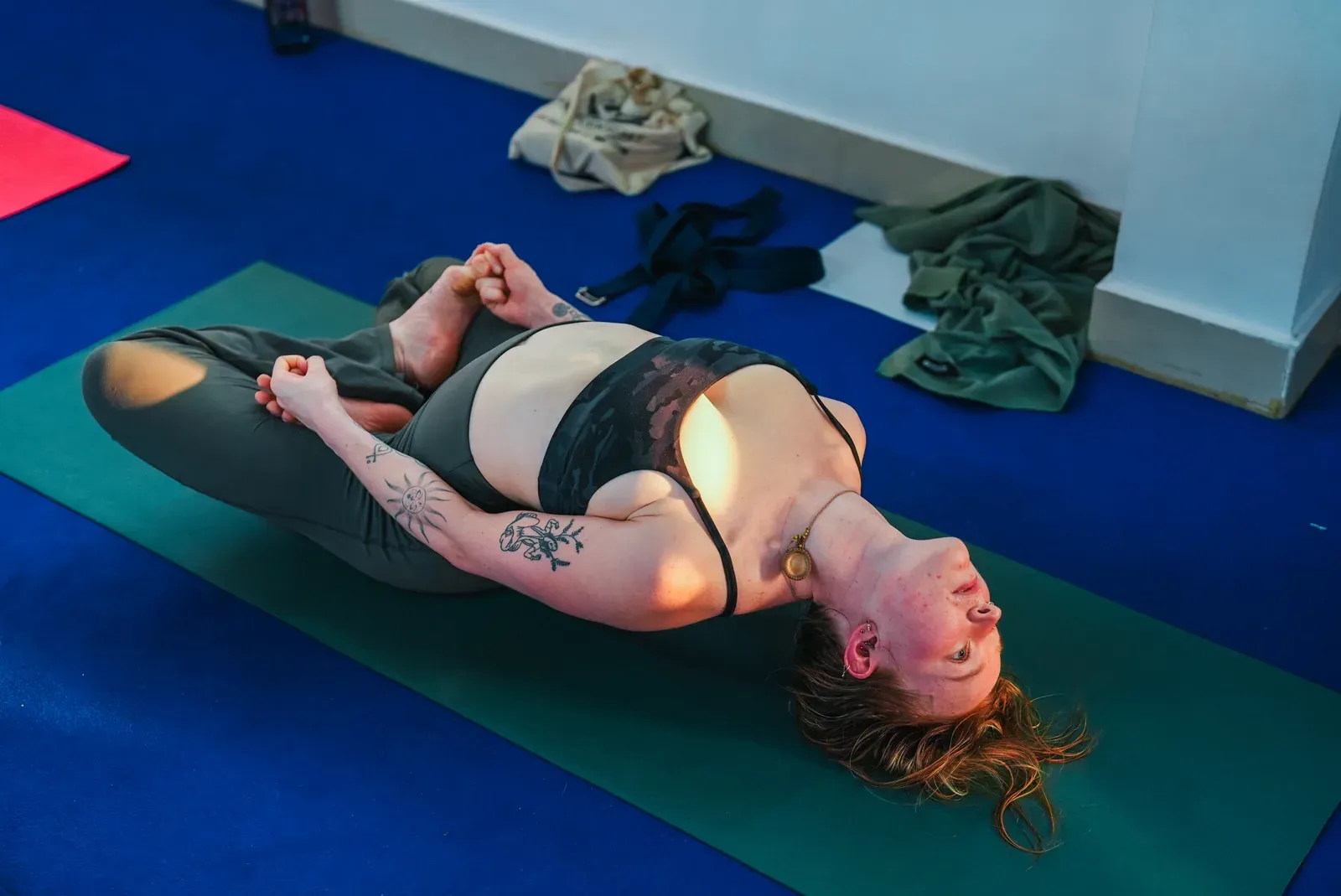
From a seated position, cross your legs and place each foot on the opposite thigh. Sit tall and engage your core, bringing your hands to your knees or heart center.
#Tips for Practicing SUP Yoga Safely
- Start with a stable, wide board and practice close to shore in calm conditions.
- Focus on your breath and maintain a steady gaze to enhance balance and concentration.
- Use modifications and props as needed to support your practice and prevent injury.
- Stay hydrated and protect yourself from the sun with sunscreen and appropriate clothing.
- Listen to your body and practice self-compassion, honoring your limitations and taking breaks as needed.
#Common Mistakes to Avoid
- Overestimating your abilities and attempting advanced poses before mastering the basics.
- Holding your breath or tensing your muscles, which can disrupt balance and inhibit relaxation.
- Neglecting proper hydration and sun protection, leading to fatigue and sunburn.
- Ignoring safety precautions and practicing in unsafe or unfamiliar conditions.
- Comparing yourself to others or striving for perfection, which can detract from the joy of the practice.
#Conclusion
In conclusion, SUP Yoga offers a refreshing and invigorating way to deepen your yoga practice while immersing yourself in nature's beauty. Whether you're a seasoned yogi or a beginner looking for a new adventure, SUP Yoga provides countless benefits for body, mind, and spirit. By embracing the challenge of balancing on water and tuning into the rhythm of the waves, you'll discover a sense of peace, joy, and connection that transcends the confines of the studio. So grab your paddleboard, find your center, and dive into the transformative practice of SUP Yoga!
#FAQs
#Is SUP Yoga suitable for beginners?
Absolutely! Many SUP Yoga classes cater to beginners, providing expert guidance and support to help you feel comfortable and confident on the water.
#Do I need prior paddleboarding experience to try SUP Yoga?
While some basic paddling skills can be helpful, many beginners find SUP Yoga accessible and enjoyable even without prior experience.
#What should I wear for SUP Yoga?
Opt for comfortable, moisture-wicking activewear that allows for freedom of movement. Don't forget sunscreen, a hat, and sunglasses to protect yourself from the sun.
#Is SUP Yoga safe for children?
Children can enjoy SUP Yoga under adult supervision and with appropriate safety measures in place. It's essential to choose calm, shallow waters and provide them with a properly fitted PFD.
#Can I practice SUP Yoga alone, or do I need to join a class?
While practicing with a certified instructor can enhance safety and provide valuable guidance, experienced practitioners may feel comfortable practicing alone once they have mastered basic skills and safety protocols.