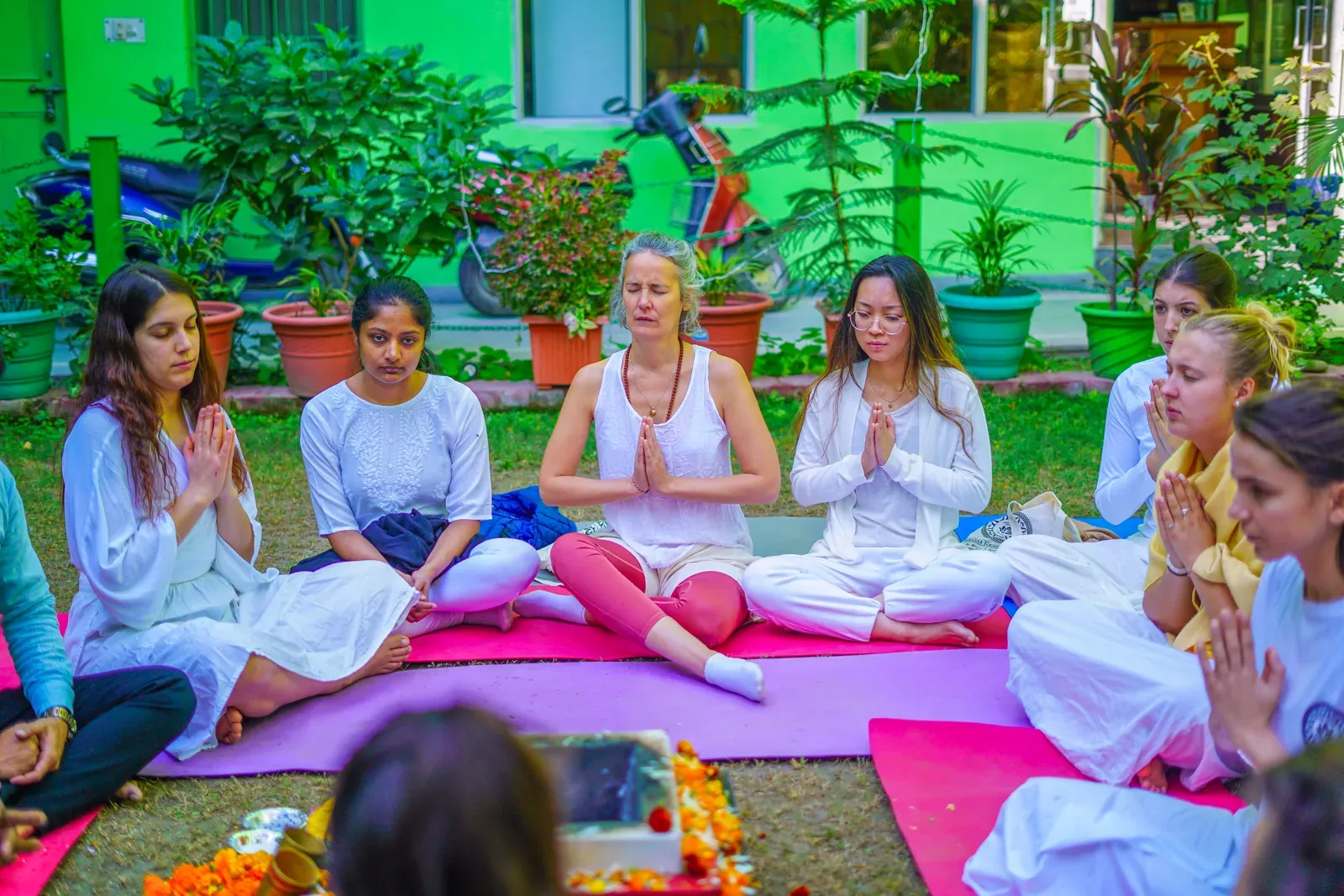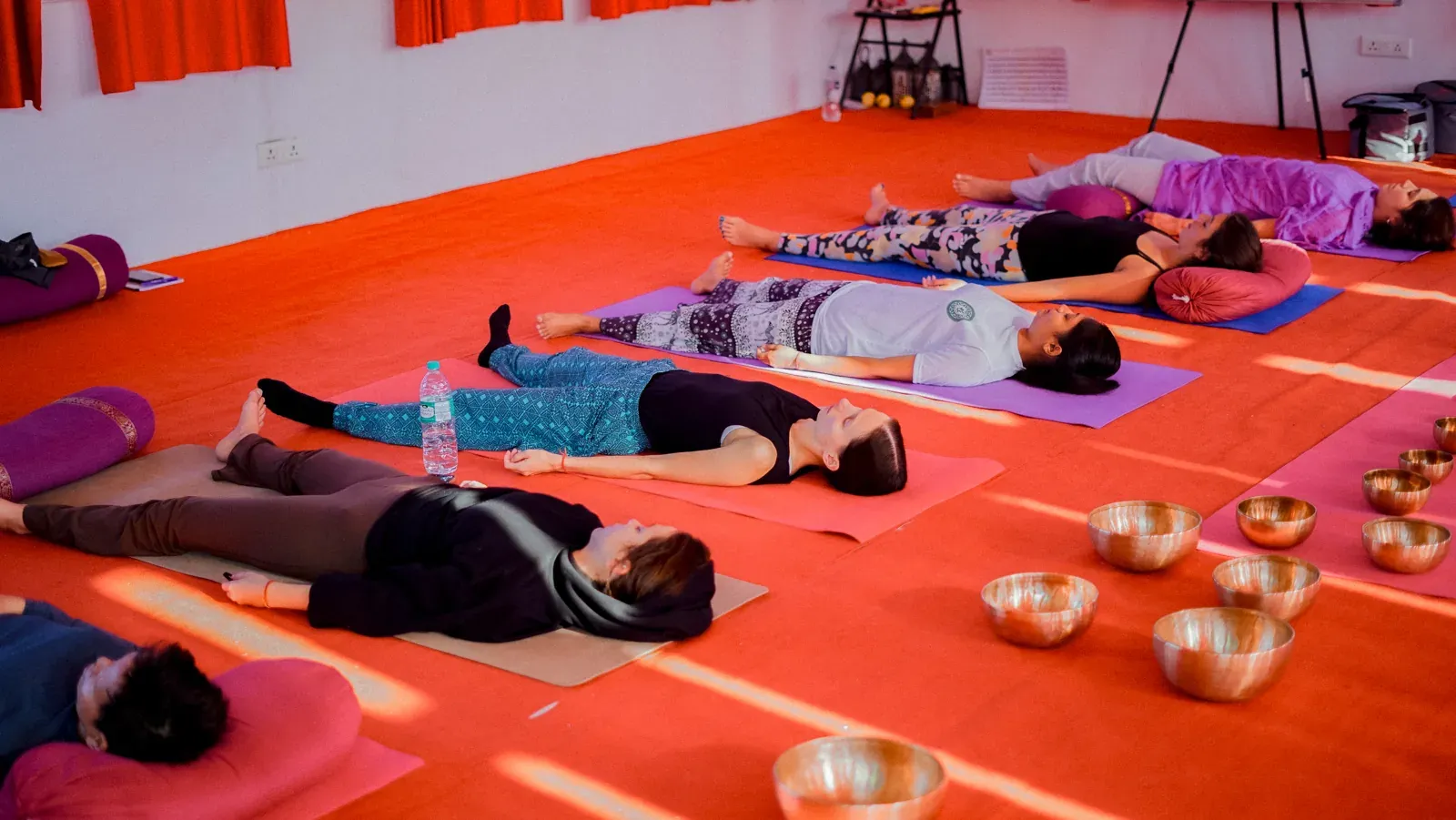

Chakras, originating from ancient Indian spiritual traditions, are centers of energy within the human body. These energy points play a vital role in maintaining balance and harmony in one's physical, mental, and spiritual well-being.
#Introduction to Chakras
Chakras, a Sanskrit term meaning "wheels" or "circles," are believed to be swirling vortexes of energy located at various points along the spine. The concept of chakras dates back thousands of years and is deeply rooted in Hindu and Buddhist philosophies.
#Understanding the Chakra System
The chakra system comprises seven main energy centers, each associated with specific physical, emotional, and spiritual aspects of human existence. Understanding these chakras and their functions is essential for achieving balance and inner peace.
#Root Chakra (Muladhara)
Located at the base of the spine, the Root Chakra governs feelings of stability, security, and survival instincts. When balanced, it fosters a sense of grounding and connection to the earth.
#Sacral Chakra (Swadhisthana)
Situated in the lower abdomen, the Sacral Chakra is associated with emotions, creativity, and sexuality. It influences our ability to experience pleasure and form healthy relationships.
#Solar Plexus Chakra (Manipura)
Located in the upper abdomen, the Solar Plexus Chakra is linked to self-esteem, confidence, and personal power. A balanced Manipura chakra empowers individuals to assert themselves and pursue their goals with determination.
#Heart Chakra (Anahata)
Positioned in the center of the chest, the Heart Chakra governs love, compassion, and forgiveness. It serves as the bridge between the lower and upper chakras, promoting emotional balance and harmony.
#Throat Chakra (Vishuddha)
Situated in the throat region, the Throat Chakra governs communication, self-expression, and truthfulness. A balanced Vishuddha chakra enables clear and authentic expression of thoughts and feelings.
#Third Eye Chakra (Ajna)
Located between the eyebrows, the Third Eye Chakra is associated with intuition, insight, and imagination. It facilitates spiritual awareness and inner wisdom.
#Crown Chakra (Sahasrara)
Situated at the top of the head, the Crown Chakra represents the highest state of consciousness and spiritual enlightenment. It connects individuals to the divine and universal energy.
#Balancing the Chakras
Various techniques such as meditation, yoga, breathwork, and energy healing can be employed to balance and align the chakras. Regular practice of these techniques promotes holistic well-being and inner harmony.
#Benefits of Balanced Chakras
When the chakras are in equilibrium, individuals experience improved physical health, emotional stability, mental clarity, and spiritual growth. Balanced chakras enhance overall quality of life and foster a sense of inner peace.
#Signs of Imbalanced Chakras
Imbalanced chakras can manifest in various physical, emotional, and psychological symptoms such as fatigue, anxiety, depression, digestive issues, and relationship conflicts. Recognizing these signs is crucial for initiating chakra healing.
#Chakra Healing Methods
Chakra healing involves identifying imbalances within the energy centers and implementing appropriate techniques to restore harmony. Meditation, visualization, Reiki, crystal therapy, and sound healing are commonly used modalities for chakra alignment.
#Incorporating Chakra Practices into Daily Life
Integrating chakra practices into daily routines can support ongoing self-care and spiritual growth. Simple practices like mindful breathing, journaling, and affirmations can help maintain chakra balance amidst life's challenges.
#Conclusion
Understanding and nurturing the chakras is essential for achieving holistic well-being and spiritual evolution. By fostering balance and alignment within the energy centers, individuals can unlock their full potential and live authentically.
#FAQs:
#How do I know if my chakras are imbalanced?
Signs of imbalanced chakras include physical discomfort, emotional instability, and mental foginess. Pay attention to your body and emotions to identify areas that may need attention.
#Can chakras be balanced through meditation alone?
While meditation is a powerful tool for chakra alignment, incorporating other practices such as yoga, Reiki, and energy healing can enhance the effectiveness of chakra balancing.
#How often should I practice chakra meditation?
The frequency of chakra meditation can vary depending on individual needs and preferences. Aim for consistency by practicing at least a few times a week to experience noticeable benefits.
#Are there specific foods that can support chakra healing?
Certain foods are believed to resonate with each chakra and can aid in balancing their energy. Incorporating a diverse and colorful diet rich in fruits, vegetables, and whole grains can promote overall chakra health.
#Can chakra healing help with physical ailments?
While chakra healing is not a substitute for medical treatment, it can complement conventional therapies by addressing the underlying energetic imbalances that contribute to physical ailments.