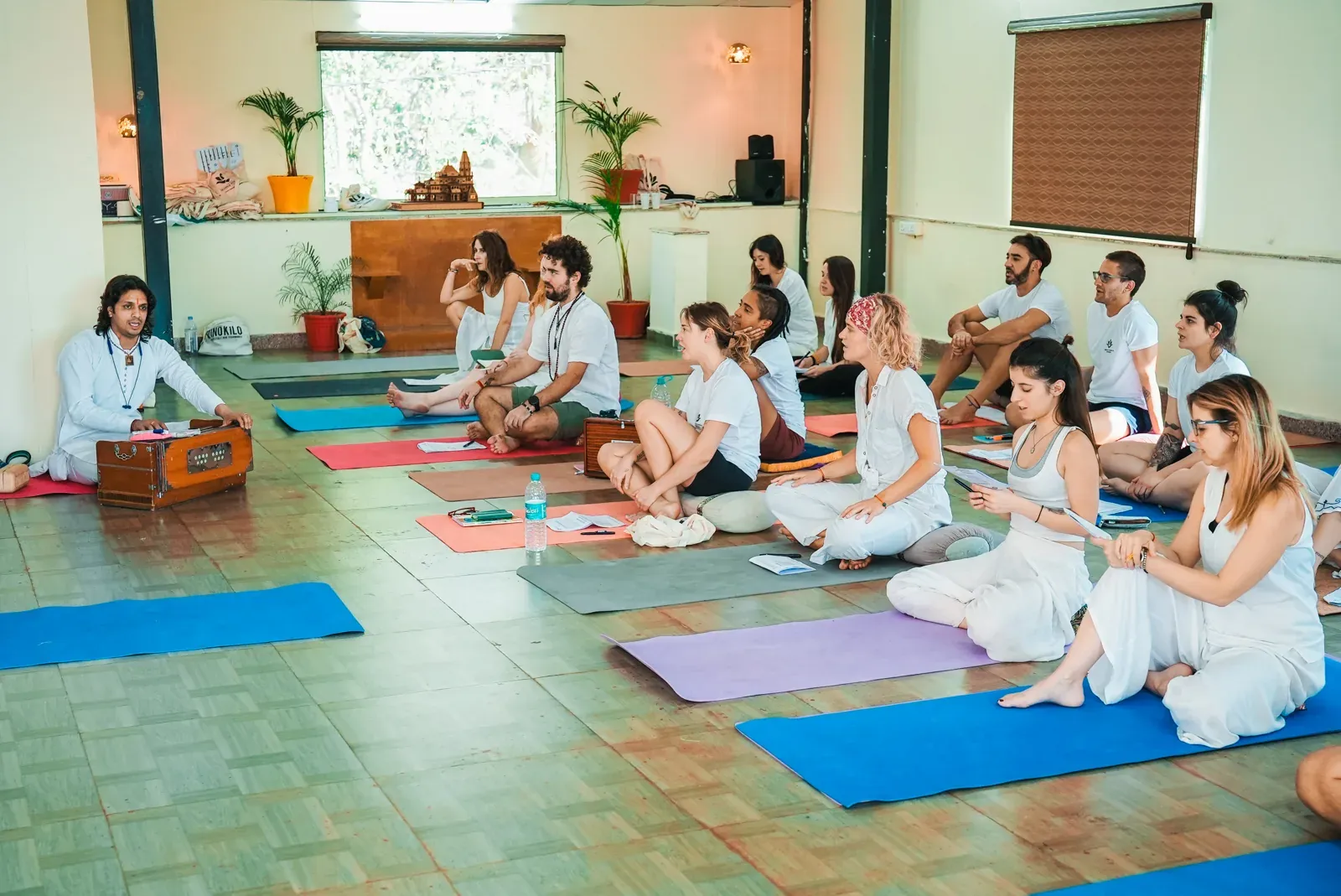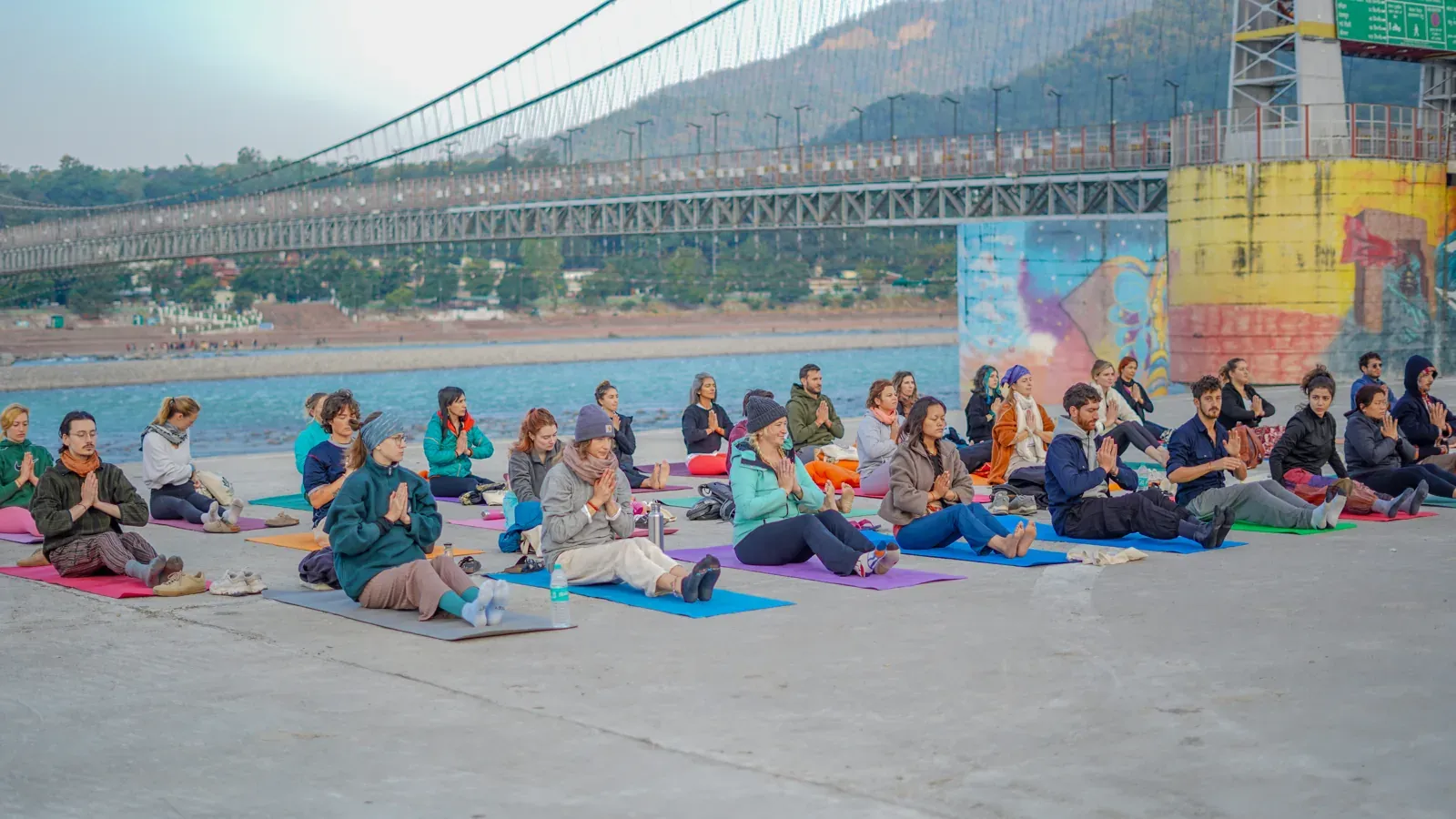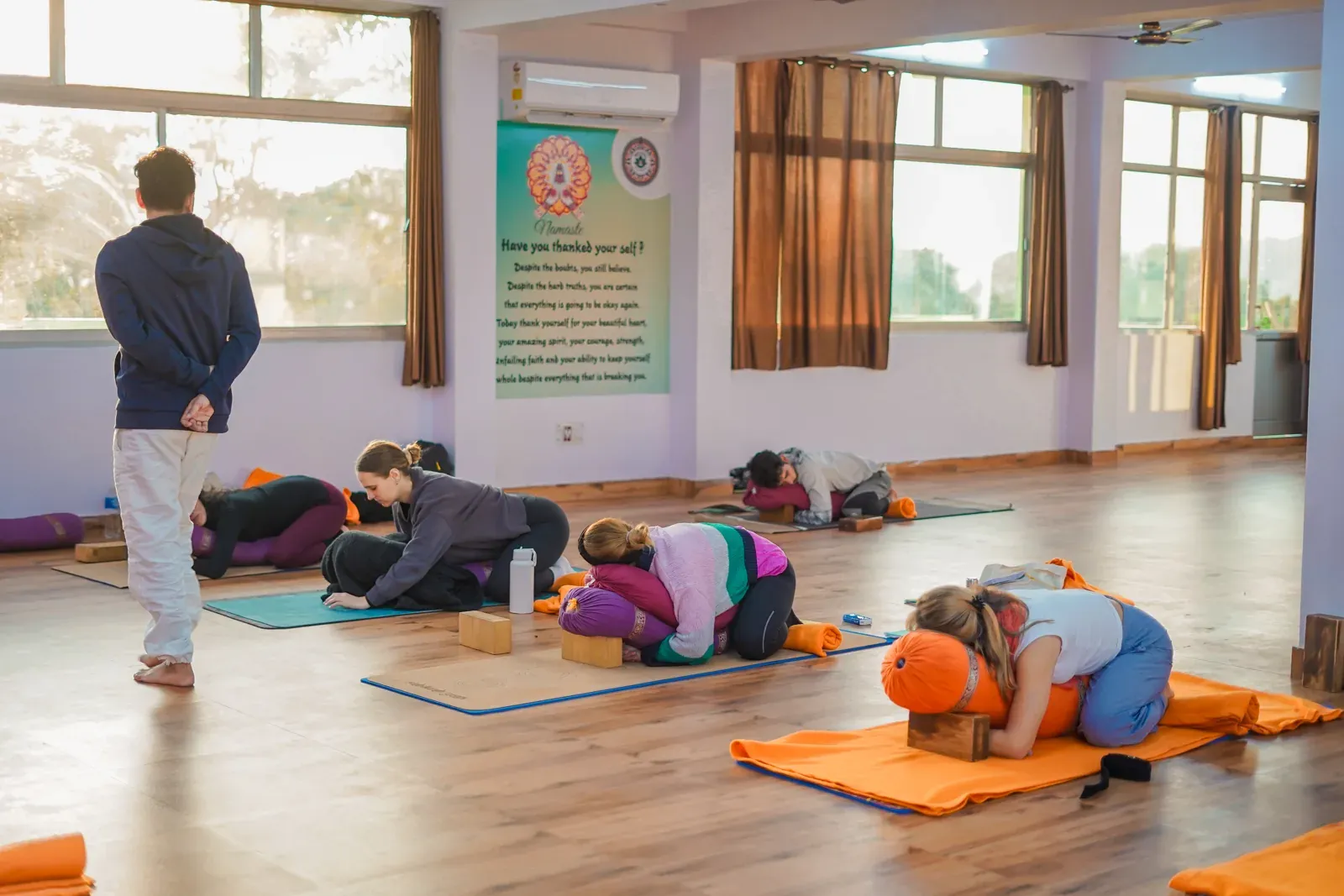
Yoga, a practice that originated in ancient India, has undergone significant evolution over time. Modern yoga, as we understand it today, encompasses a diverse range of practices that combine traditional elements with contemporary innovations. In this article, we will explore the essence of modern yoga, its historical roots, characteristics, benefits, popular practices, its digital transformation, societal impact, as well as challenges and criticisms it faces.
#Historical Background
#Origins of Yoga
Yoga's origins can be traced back to ancient India, where it emerged as a spiritual and philosophical discipline steeped in millennia-old traditions. Its earliest references appear in sacred texts like the Vedas and the Upanishads, where it is depicted as a pathway to spiritual liberation and self-discovery. Initially practiced by ascetics and sages in secluded settings, yoga was regarded as a holistic system for attaining union with the divine and realizing one's true nature.
Through rigorous practices encompassing physical postures, breath control, meditation, and ethical principles, practitioners sought to transcend the limitations of the ego and experience profound states of consciousness. Rooted in the quest for spiritual enlightenment and inner transformation, yoga has since evolved into a multifaceted discipline embraced by millions worldwide for its profound potential to cultivate physical health, mental well-being, and spiritual growth.
#Development of Modern Yoga
In the late 19th and early 20th centuries, yoga's reach expanded beyond India, largely propelled by Indian yogis like Swami Vivekananda and Paramahansa Yogananda. Their efforts introduced yoga to the Western world, heralding the dawn of modern yoga. This era saw the fusion of traditional Indian yogic principles with Western influences, giving rise to a diverse and evolving practice.
As yoga gained traction in the West, it underwent a transformation, adapting to the cultural landscape while retaining its spiritual essence. Today, modern yoga reflects this amalgamation of traditions, offering practitioners a dynamic synthesis of ancient wisdom and contemporary innovation.
#Characteristics of Modern Yoga
Modern yoga is distinguished by several key characteristics that set it apart from its ancient roots.
#Blend of Tradition and Innovation
Modern yoga incorporates traditional yogic techniques such as asanas (physical postures), pranayama (breath control), and meditation, while also integrating contemporary innovations such as alignment principles, variations in sequencing, and the use of props.
#Accessibility and Diversity
One of the defining features of modern yoga is its accessibility to people from all walks of life. Unlike its historical counterpart, which was primarily practiced by ascetics and yogis, modern yoga welcomes practitioners of diverse ages, backgrounds, and abilities.
#Types of Modern Yoga
Modern yoga encompasses a wide variety of styles and practices, each with its own unique emphasis and approach.
#Hatha Yoga
Hatha yoga, known for its gentle and foundational approach, emphasizes basic postures and controlled breathing techniques. It's a perfect starting point for beginners, offering a slow-paced practice that focuses on proper alignment and mindful movement. With its emphasis on building strength, flexibility, and inner awareness, hatha yoga provides a solid foundation for those new to yoga or looking to deepen their practice. By incorporating gentle stretches and breathing exercises, it promotes relaxation and stress relief, making it accessible and beneficial for individuals of all ages and fitness levels.
#Vinyasa Yoga
Vinyasa yoga is renowned for its seamless flow of poses synchronized with breath, creating a dynamic and invigorating practice. With its emphasis on continuous movement, vinyasa yoga challenges practitioners to build strength, flexibility, and mental focus. Each transition between poses is fluid and intentional, encouraging practitioners to cultivate mindfulness and presence on the mat. This style of yoga offers a creative and energetic approach to the practice, allowing individuals to explore their physical capabilities while also fostering a sense of inner balance and harmony.
#Ashtanga Yoga
Ashtanga yoga adheres to a set sequence of poses, meticulously synchronized with breath and movement. This disciplined practice demands vigor and resilience, challenging practitioners both physically and mentally. With its focus on strength, endurance, and precision, Ashtanga yoga fosters a deep sense of discipline and dedication. Each posture flows seamlessly into the next, creating a continuous and dynamic practice that builds muscular strength and promotes cardiovascular health. While demanding, the structured nature of Ashtanga yoga offers practitioners a pathway to self-discovery and inner transformation, ultimately cultivating a sense of balance, resilience, and inner peace.
#Bikram Yoga
Bikram yoga is characterized by a sequence of 26 postures and two breathing exercises performed in a heated room, typically around 105°F (40.6°C). This intense heat promotes detoxification through sweating, flushing out toxins from the body. The series of poses are specifically designed to work every part of the body, enhancing flexibility, strength, and balance. Despite the challenging environment, Bikram yoga encourages relaxation and mental focus, helping practitioners to release tension and stress. With regular practice, individuals may experience improved physical conditioning, increased mental clarity, and a greater sense of overall well-being.
#Benefits of Modern Yoga
Modern yoga offers a wide range of physical, mental, and spiritual benefits for practitioners.
#Physical Health Benefits
Yoga offers a holistic approach to physical fitness, enhancing flexibility, strength, and balance through its diverse range of poses and movements. By engaging muscles and joints in various ways, yoga promotes better posture and alignment, reducing the risk of injuries and enhancing overall body awareness. Furthermore, numerous studies have demonstrated yoga's effectiveness in relieving chronic pain conditions like back pain and arthritis, providing gentle yet effective methods for managing discomfort and improving quality of life. With its focus on mindful movement and breath awareness, yoga offers a sustainable and accessible path to improved physical well-being and pain management.
#Mental Health Benefits
Yoga serves as a powerful tool for mental well-being, effectively reducing stress, anxiety, and depression by promoting relaxation and fostering a sense of inner peace. Through mindful movement and breathwork, yoga cultivates a calm and centered state of mind, enhancing mood and emotional resilience. Additionally, the practice of yoga encourages heightened concentration and mental clarity, sharpening focus and cognitive function. Beyond its physical benefits, yoga offers a precious opportunity for self-care and introspection, allowing individuals to connect with themselves on a deeper level and nurture their overall sense of well-being and inner harmony.
#Spiritual Growth
Yoga serves as a catalyst for spiritual growth and self-discovery, facilitating a profound connection between the individual and the universe. By embracing practices like meditation and mindfulness, yoga invites practitioners to explore the depths of their inner being and uncover their true essence. Through these contemplative practices, individuals cultivate a sense of inner peace, harmony, and self-awareness, fostering a deeper understanding of themselves and their place in the world. By nurturing this connection to the universe, yoga offers a transformative journey towards spiritual awakening and personal fulfillment, guiding practitioners towards a more meaningful and purposeful existence.
#Popular Modern Yoga Practices
#Mindfulness Meditation
Mindfulness meditation is a contemplative practice centered on present-moment awareness, devoid of judgment or attachment. Practitioners cultivate a non-reactive stance, observing thoughts, emotions, and sensations with gentle curiosity and acceptance. Often intertwined with yoga, mindfulness meditation complements the physical practice by deepening self-awareness and promoting relaxation.
By honing attention to the here and now, individuals harness inner resources to navigate life's challenges with greater clarity and resilience. This practice, when integrated into daily life, fosters a profound sense of peace and equanimity, empowering individuals to cultivate a harmonious relationship with themselves and the world around them.
#Power Yoga
Power yoga exemplifies dynamism and intensity, blending traditional yoga postures with vigorous cardio exercises to forge strength, endurance, and flexibility. This fusion cultivates a challenging yet invigorating workout experience, pushing practitioners beyond physical limitations. Through continuous movement and breath synchronization, power yoga harnesses the body's potential to sculpt lean muscle, improve cardiovascular health, and enhance overall fitness.
The practice's emphasis on fluidity and athleticism ignites a transformative journey, empowering individuals to unleash their inner strength and resilience on and off the mat. With each session, practitioners embark on a path of self-discovery and empowerment, embracing the transformative power of movement and breath.
#Yin Yoga
Yin yoga offers a gentle yet profound approach, prioritizing stillness and surrender over movement. This slow-paced practice delves deep into the body's connective tissues, including ligaments and tendons, through prolonged holding of passive poses. By maintaining these poses for an extended duration, practitioners stimulate the body's natural ability to release tension and increase flexibility.
Embracing a meditative mindset, individuals cultivate mindfulness and presence as they surrender to sensations and observe the body's responses. Yin yoga serves as a transformative practice, fostering not only physical suppleness but also mental clarity and emotional balance, inviting practitioners into a journey of self-discovery and inner harmony.
#Modern Yoga in the Digital Age
With the advent of technology, modern yoga has undergone a digital transformation, making it more accessible than ever before.
#Online Yoga Classes
Online yoga classes provide a convenient avenue for practitioners to engage in yoga practice from the sanctuary of their homes. Offering flexible scheduling and a diverse array of class styles and instructors, these virtual sessions cater to individual preferences and needs. Whether seeking a gentle flow or a vigorous workout, practitioners can select from a plethora of options available at their fingertips. With accessibility as its cornerstone, online yoga fosters inclusivity and empowerment, enabling individuals to cultivate physical and mental well-being on their own terms, anytime, anywhere, and fostering a global community united in the pursuit of holistic health.
#Yoga Apps and Websites
Yoga apps and websites serve as comprehensive platforms, offering a myriad of resources to support practitioners on their yoga journey. From guided meditation sessions to instructional videos and community forums, these digital platforms provide a wealth of tools for both beginners and seasoned yogis. With the convenience of accessing practices anytime, anywhere, individuals can seamlessly integrate yoga into their daily lives, fostering consistency and continuity in their practice.
Moreover, these platforms facilitate connection and camaraderie among like-minded individuals, creating virtual spaces for shared experiences, support, and inspiration, ultimately enriching the global yoga community and enhancing individual growth and well-being.
#The Impact of Modern Yoga on Society
Modern yoga has had a profound impact on society, influencing various aspects of culture, health, and wellness.
#Cultural Influence
Yoga's widespread popularity has transformed it into a global phenomenon, transcending cultural barriers and uniting individuals from diverse backgrounds. Embraced by people worldwide, yoga serves as a universal language of self-care and mindfulness, fostering connection and understanding among practitioners. Regardless of nationality, ethnicity, or belief system, individuals come together on the mat to cultivate physical health, mental well-being, and spiritual growth. This collective practice not only promotes personal transformation but also fosters a sense of unity and harmony, enriching communities and societies across the globe with the shared values of compassion, acceptance, and inner peace.
#Challenges and Criticisms
Despite its widespread popularity, modern yoga is not without its challenges and criticisms.
#Commercialization of Yoga
The commercialization of yoga has sparked apprehension regarding its authenticity and integrity within the yoga community. Many practitioners voice discontent over the commodification of spiritual practices, fearing that profit-driven motives dilute the essence of yoga. As studios, brands, and influencers capitalize on its popularity, there's a growing sense of disconnect from yoga's spiritual roots.
Some lament the emphasis on physical prowess over inner growth, while others critique the appropriation of cultural symbols for commercial gain. Amidst these concerns, there's a call for a return to yoga's foundational principles, advocating for a more mindful and ethical approach to its practice and dissemination.
#Cultural Appropriation
The appropriation of yoga by Western cultures has ignited a contentious debate, with critics decrying its commercialization for erasing cultural roots and perpetuating harmful stereotypes. As yoga becomes mainstream, there's concern that its spiritual essence is overshadowed by consumerism, neglecting its origins in Indian traditions.
Critics argue that this appropriation whitewashes yoga's diverse heritage and reinforces damaging tropes, such as the exoticization of Eastern spirituality. They advocate for greater sensitivity and respect towards yoga's cultural origins, urging practitioners to engage with its teachings authentically and ethically, fostering inclusivity and honoring the rich tapestry of yoga's lineage.
#Conclusion
Modern yoga represents a dynamic and evolving tradition that continues to inspire millions of people around the world. With its blend of tradition and innovation, accessibility and diversity, modern yoga offers a pathway to physical health, mental well-being, and spiritual growth. While facing challenges such as commercialization and cultural appropriation, modern yoga remains a powerful tool for self-transformation and holistic living.
#FAQs
- Is modern yoga suitable for beginners?
- Yes, modern yoga offers a variety of styles and practices suitable for practitioners of all levels, including beginners.
- Can I practice modern yoga at home?
- Absolutely! With the availability of online classes and instructional videos, it's easy to practice yoga in the comfort of your own home.
- What are the benefits of practicing yoga regularly?
- Regular yoga practice can improve flexibility, strength, and mental well-being, while also reducing stress and promoting relaxation.
- Are there any potential risks associated with practicing yoga?
- While yoga is generally safe for most people, it's important to practice with mindfulness and awareness of your body's limitations to avoid injury.
- How can I find the right style of yoga for me?
- Experiment with different styles and teachers to find what resonates with you best. Listen to your body and choose practices that make you feel good both physically and mentally.