#Introduction
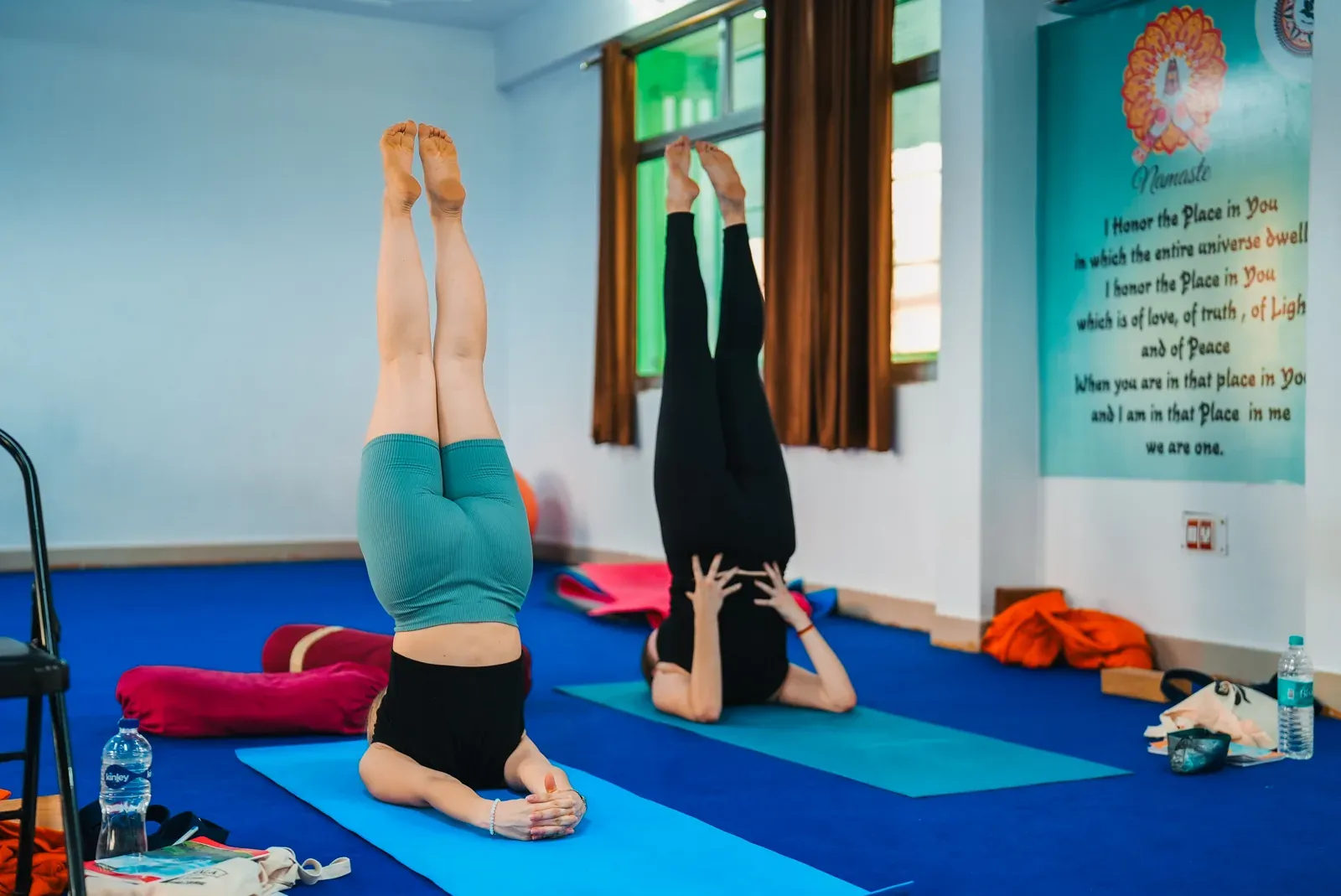
Salamba Sarvangasana, or Supported Shoulderstand, is a yoga pose renowned for its numerous physical and mental benefits. In this inverted posture, the shoulders and upper arms support the body weight while the legs extend upward. The asana enhances blood circulation, promoting thyroid function, and stimulating the nervous system. It also aids in relieving stress, calming the mind, and improving digestion. The pose is considered therapeutic for respiratory ailments and can strengthen the core, shoulders, and legs. Practitioners often appreciate Salamba Sarvangasana for its ability to cultivate balance, flexibility, and a sense of tranquility, making it a valuable addition to yoga routines.
#Benefits of Salamba Sarvangasana
Salamba Sarvangasana, or Supported Shoulderstand, extends a myriad of benefits to both the body and mind. On a physical level, the pose is instrumental in fortifying the shoulders, neck, and legs, fostering strength and stability. By facilitating improved blood circulation, it contributes to enhanced vitality and overall well-being. Beyond its physical attributes, the pose is a potent ally for mental health.
It has a reputation for reducing stress and anxiety, creating a harmonious equilibrium in the mind. The inversion inherent in Salamba Sarvangasana also has a calming effect on the nervous system, promoting mental clarity. As a holistic practice, this asana intertwines the physical and mental realms, making it a valuable addition to wellness routines, offering not only strength and flexibility but also a profound sense of tranquility and balance.
#How to Practice
To embark on the practice of Salamba Sarvangasana, initiate by lying on your back and elevating your legs skyward. Employ your hands to provide support to your lower back as you extend your legs, establishing a seamless line from toes to shoulders. In the initial stages, maintain the pose for a few breaths, allowing your body to acclimate to the inversion.
As your strength progresses, consider gradually prolonging the duration of the pose. Ensuring a mindful and gradual approach is paramount, allowing your body to adapt and build the necessary stability.
Pay attention to the alignment, engaging the shoulders, neck, and legs in a concerted effort. With consistent practice, Salamba Sarvangasana becomes an empowering yoga posture, enhancing not only physical strength and flexibility but also cultivating mindfulness and balance in your practice.
#Precautions
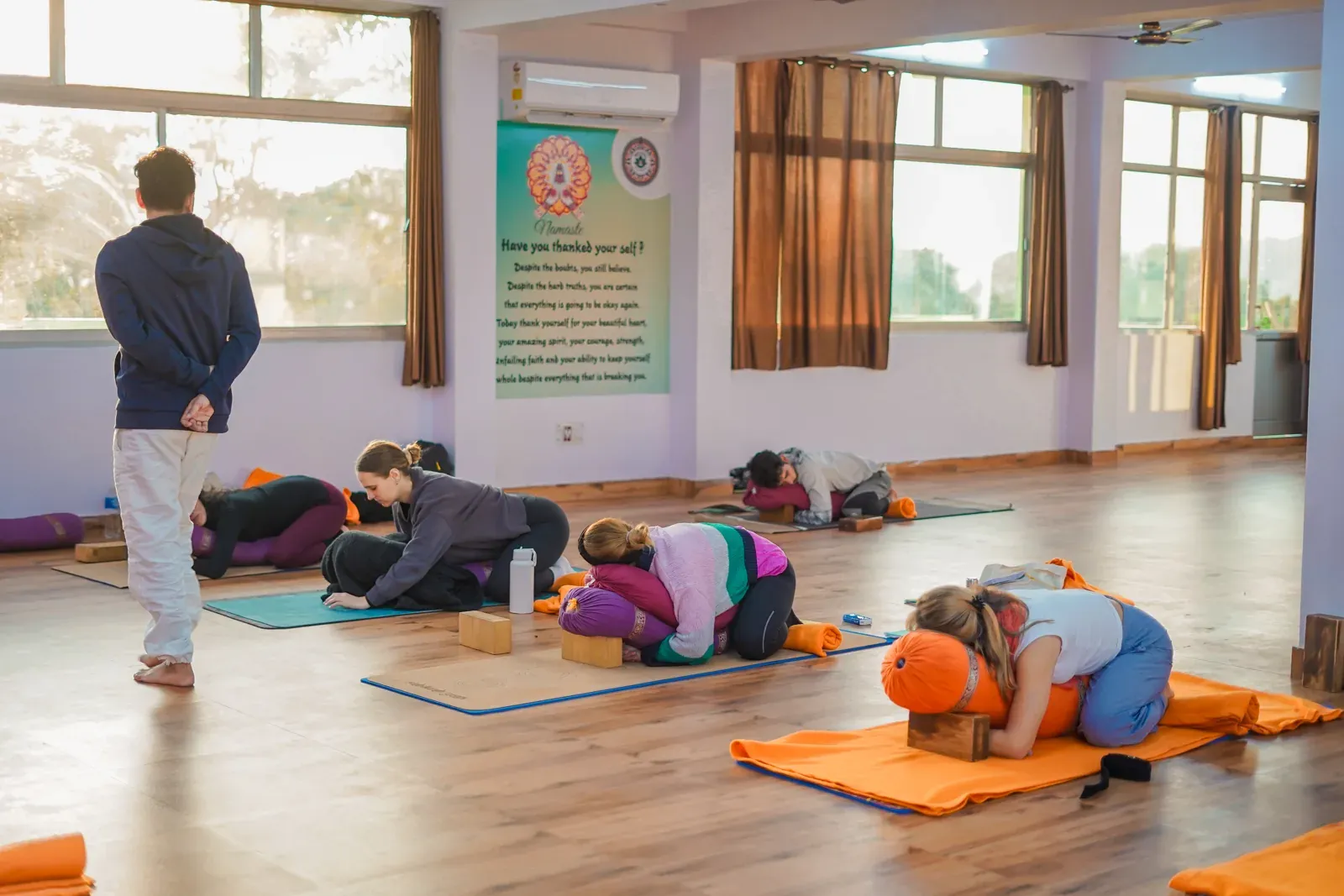
Though Salamba Sarvangasana offers substantial benefits, it warrants specific precautions. Those with neck or back concerns should seek guidance from a healthcare professional before attempting this pose. It's essential to prioritize safety and ensure that the practice aligns with individual physical conditions. Modifications can be immensely helpful—using props like blankets or practicing a milder variation can make the pose more accessible and safer.
These adjustments cater to diverse needs, enabling individuals to experience the benefits of the pose while mitigating potential risks. Prioritizing proper alignment and gradual progression is crucial to prevent strain or injury. By approaching Salamba Sarvangasana mindfully and with adaptations tailored to personal considerations, practitioners can derive its advantages in a safer and more accommodating manner, fostering both physical well-being and a mindful yoga practice.
#Common Mistakes
Preventing injuries during the practice of Salamba Sarvangasana hinges on avoiding common mistakes. It is paramount to ensure proper support for the neck and to refrain from straining the lower back, as these areas are susceptible to stress during the pose. Proper alignment plays a pivotal role in reaping the full benefits of Salamba Sarvangasana. Take care to support the neck adequately, avoiding undue pressure on this sensitive area.
Simultaneously, be mindful of the lower back, preventing any strain by engaging the core and maintaining a straight line from toes to shoulders. By adhering to these principles and avoiding common pitfalls, practitioners can cultivate a safe and effective practice of Salamba Sarvangasana, unlocking its physical and mental benefits while minimizing the risk of injuries.
#Variations
Discover diverse variations of Salamba Sarvangasana tailored to your skill level and preferences. From the Supported Shoulder Stand to the Half Shoulder Stand, there exists a version suitable for every practitioner. Exploring these variations allows individuals to customize their practice, accommodating differing levels of strength, flexibility, and comfort. The Supported Shoulder Stand, with its full inversion, offers a comprehensive experience, engaging the entire body.
Meanwhile, the Half Shoulder Stand provides a gentler option, making it accessible for those seeking a milder inversion. These variations enable practitioners to progress gradually, adapting the pose to their unique needs and abilities. By embracing the diversity within Salamba Sarvangasana, individuals can foster a more inclusive and sustainable yoga practice, ensuring that the benefits of this transformative pose are accessible to everyone, regardless of their experience or physical capabilities.
# History and Origin
Rooted in the ancient teachings of traditional yoga texts, this enduring pose finds mention in revered classics such as the Hatha Yoga Pradipika. Grasping its historical context adds profound depth to your practice, forging a connection with the timeless wisdom embedded in the annals of yoga. The Hatha Yoga Pradipika, a seminal text dating back centuries, serves as a testament to the enduring legacy of this pose, highlighting its significance in the evolution of yogic practices. By delving into the historical roots of the pose, practitioners can glean insights into the philosophical underpinnings of yoga, fostering a more holistic understanding of its transformative power. This connection to the past not only enriches the physical practice but also instills a sense of reverence for the ancient wisdom that continues to guide and inspire contemporary yoga practitioners on their journey toward well-being and self-discovery.
#Conclusion
In conclusion, Salamba Sarvangasana is more than just a yoga pose; it's a holistic practice that nurtures the body, mind, and spirit. By incorporating this asana into your routine, you embark on a journey of self-discovery and well-being.
#Faqs
Is Salamba Sarvangasana suitable for beginners?
Yes, with proper guidance and modifications.
Can I practice Salamba Sarvangasana during pregnancy?
It's advisable to consult your healthcare provider before attempting the pose.
How long should one hold Salamba Sarvangasana?
Beginners can start with 30 seconds and gradually increase the duration.
Are there any age restrictions for practicing this pose?
Salamba Sarvangasana can be practiced by individuals of various ages, but it's essential to listen to your body.
What if I experience discomfort in the neck during the pose?
Stop immediately and consult with a yoga instructor or healthcare professional.
Related reading: yoga for better sleep, Cow Face Pose (Gomukhasana) and our 200-hour yoga teacher training.